Snapped Cable: How to Prevent It
Learn why garage door cables snap and how regular inspection and maintenance can prevent a dangerous cable failure.
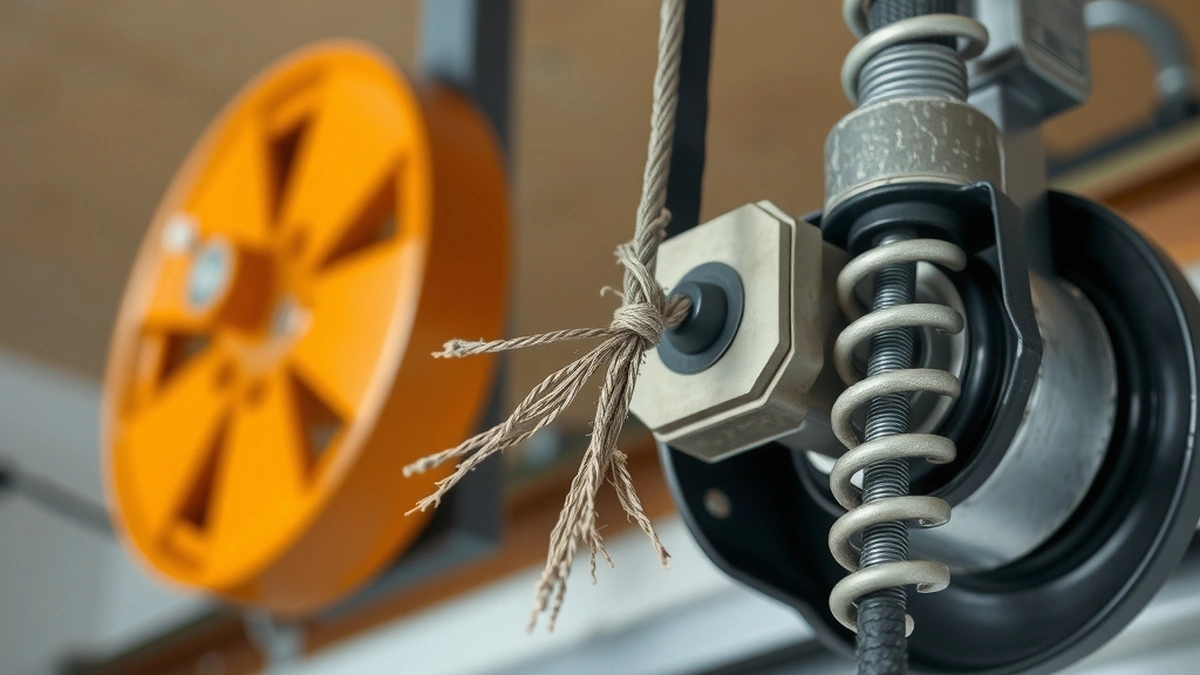
Inspect cables monthly, lubricate moving parts, keep tracks aligned, and never operate a door with frayed wires; replace cables at the first sign of wear.
- Typical cable repair cost
- $150–$350
- Danger level
- High — springs and cables are under extreme tension
- Inspection frequency
- Monthly visual check; professional service annually
- Most common cause
- Fraying from age, rust, and misaligned tracks
Some links on this page are affiliate links.If you buy through them we may earn a commission at no extra cost to you. We do not accept payment for rankings. Read the full disclosure.
A snapped garage door cable is a sudden failure that can leave a door stuck open, closed, or hanging at a dangerous angle. Prevention comes down to monthly visual checks, keeping hardware lubricated, and fixing track alignment before wear turns into breakage. Because cables work under extreme tension, any sign of wear means stopping use and calling a professional.
Why Garage Door Cables Snap
Garage door cables carry the full weight of the door every time it moves. A standard single door can weigh 130 to 150 pounds, while a double door often runs 200 to 300 pounds or more. The cable transfers that load from the bottom bracket to the cable drum and torsion spring assembly. Over time, metal fatigues. Rust eats through the outer strands. A cable rubbing against a bent track can fray in a single season.
When a cable finally snaps, the door loses its balance on that side. The remaining cable and spring must carry the entire load, which can bend tracks, damage panels, or overload the opener. Repairing a cable typically costs $150–$350. If the snap damages the opener, you could face opener installation at $300–$800. Replacing a door panel runs $200–$600, and a new door installed costs $800–$4,000. Catching wear early is far cheaper than emergency service, which often runs $250–$500 just for the call-out.
Inspect Cables Once a Month
A monthly inspection takes under five minutes and is the single best way to prevent a snapped cable. With the door closed, look at both cables where they attach to the bottom brackets and where they wind around the drums. Search for:
- Frayed or broken wire strands
- Rust or white corrosion
- Kinks, crushed sections, or flattened spots
- Slack or loose cable that does not sit snug in the drum groove
- Cable rubbing against the track or door frame
If you see any of these signs, do not operate the door. Disconnect the opener and call a qualified technician. Cables are not a DIY repair because they are under high tension and can cause severe injury if they release unexpectedly.
Keep Tracks Aligned and Clean
Misaligned tracks are a leading cause of premature cable wear. When a track bends or shifts, the rollers can push the cable against the metal edge. That friction cuts through strands over weeks or months. Check that tracks are parallel, firmly mounted to the wall, and free of debris. A gap of even a quarter-inch between the roller and track edge can create enough contact to damage a cable over time.
If a track looks bent, loose, or out of alignment, schedule service before the cable pays the price. Track problems left unchecked can also lead to panel damage, where replacement costs $200–$600 per panel.
Lubricate Moving Parts Every Six Months
Dry rollers, hinges, and springs create extra resistance. The opener and cables work harder to move the door, which accelerates wear. Apply a silicone-based garage door lubricant to rollers, hinges, springs, and bearing plates twice a year. Do not use WD-40 as a lubricant; it is a solvent and cleaner, not a long-term lubricant.
Wipe the cables with a dry cloth to remove dust and grime. You do not need to lubricate the cable itself, but keeping the surrounding hardware moving freely reduces the load on every strand.
Test Door Balance Seasonally
An unbalanced door puts uneven tension on the cables. One side may carry significantly more weight than the other, making that cable more likely to snap. To test balance, close the door and disconnect the opener using the release cord. Lift the door halfway by hand and let go. A properly balanced door stays in place or drifts very slowly. If it slams down or shoots up, the springs need adjustment.
Spring adjustment is dangerous. Torsion springs store enough force to cause serious injury or death. A professional spring replacement typically costs $150–$400, but it protects your cables, opener, and door panels from uneven load damage.
Replace Cables Before They Break
Cables do not last forever. Even with good maintenance, most garage door cables should be replaced every five to seven years, sooner in coastal areas where salt air accelerates rust. If your door is older and you do not know the cable age, have a technician inspect them during a routine service visit.
Replacing both cables at the same time is standard practice. If one side has worn enough to snap, the other side has likely experienced similar wear. A paired replacement keeps the door balanced and prevents a second emergency call within months.
Know When to Call a Professional
Some warning signs require immediate service, not a wait-and-see approach:
- The door opens crooked or stalls halfway
- You hear popping, grinding, or snapping noises during operation
- The cable looks loose or has jumped off the drum
- The door feels unusually heavy when lifted manually
- You see rust, fraying, or broken strands on either cable
Stop using the door until it is inspected. Continuing to operate a door with a damaged cable can turn a $150–$350 cable repair into a much larger job involving springs, panels, or a full door replacement.
Regular care is the cheapest insurance against a snapped cable. Monthly checks, semi-annual lubrication, track alignment, and seasonal balance tests take little time and cost almost nothing. When compared with emergency call-outs of $250–$500 or a new door installed at $800–$4,000, prevention is the clear choice. For help finding a qualified service provider, review our guide to garage door repair cost and our overview of garage door repair and installation. If you are considering whether to handle minor upkeep yourself, our DIY garage door repair article explains which tasks are safe for homeowners and which require a professional.
Next, compare how much does garage door repair cost, garage door repair installation, garage door repair repair before you commit.
Frequently asked questions
What causes a garage door cable to snap?
Cables usually snap from metal fatigue, rust, fraying, or contact with a misaligned track. Extreme tension from a broken torsion spring can also overload a cable instantly.
How often should I inspect garage door cables?
Check cables visually once a month for fraying, rust, kinks, or loose strands. Schedule a professional inspection once a year to catch issues you cannot see.
Can I replace a snapped cable myself?
No. Garage door cables and springs store lethal force. A snapped cable can whip or recoil with enough power to cause serious injury or death. Call a licensed technician.
What does cable repair usually cost?
Professional cable repair typically runs $150–$350, depending on door type, cable length, and whether springs or other hardware also need replacement.
Will a broken cable damage my opener?
Yes. A door with a snapped cable often becomes unbalanced, forcing the opener to lift uneven weight. This can strip gears or burn out the motor, leading to opener installation costs of $300–$800.
How do I know if my cable is about to fail?
Look for visible fraying, rust, broken strands, slack in the cable, or a door that opens unevenly. Any of these signs means stop using the door and call for service immediately.
Sources
Some links are affiliate links.If you buy through them we may earn a commission at no extra cost to you. We do not accept payment for rankings. Read the full disclosure.