Broken Spring: How to Prevent It on Your Garage Door
Learn how to prevent a broken garage door spring with regular lubrication, balance tests, and realistic replacement cost estimates.
Lubricate springs twice a year, test door balance monthly, and replace springs every 7–9 years or 10,000 cycles to avoid a sudden break.
- Risk level
- High if springs are old, rusty, or door is unbalanced
- Prevention cost
- $0–$50 for lubricant and basic inspection
- Spring replacement
- $150–$400 per pair
- Emergency call-out
- $250–$500
Some links on this page are affiliate links.If you buy through them we may earn a commission at no extra cost to you. We do not accept payment for rankings. Read the full disclosure.
A broken garage door spring is one of the most common and most preventable garage door failures. The best way to avoid it is scheduled lubrication, regular balance checks, and timely replacement before the metal fatigues. Ignoring early warning signs often turns a routine spring job into an emergency call-out with a damaged door or opener.
Why Garage Door Springs Break
Torsion and extension springs are rated for a finite number of open-and-close cycles, typically around 10,000 cycles for standard residential springs. If your household opens the door four times a day, that is roughly 1,460 cycles per year, meaning the springs may reach their rated life in about seven years. Rust, lack of lubrication, and an unbalanced door all shorten that lifespan.
When a spring breaks, the door can slam shut or become too heavy to lift manually. The sudden release of tension can also damage panels, cables, tracks, and the garage door opener. Because springs store tremendous energy, they are one of the most dangerous components to service without proper training and tools.
Lubricate Springs on a Schedule
Friction between coils wears the metal and invites corrosion. Applying a silicone-based garage door lubricant every six months reduces that wear and helps the spring expand and contract smoothly. Do not use WD-40 as a long-term lubricant; it is a solvent and water displacer, not a persistent grease.
A basic maintenance routine takes about 15 minutes:
- Close the door and disconnect the opener.
- Wipe the springs with a clean rag to remove dust and old grime.
- Apply a light coat of garage door lubricant along the coils.
- Open and close the door manually a few times to distribute the lubricant.
Expect to spend $10–$25 on lubricant and rags. That small expense can add years to spring life compared to running them dry.
Test Door Balance Monthly
An unbalanced door forces the springs to carry uneven or excessive load. You can check balance without touching the springs:
- Close the door and pull the emergency release cord to disconnect the opener.
- Lift the door halfway and let go.
- Observe whether it stays put, drifts up, or drifts down.
If the door moves on its own, the springs are likely out of adjustment or one side is weaker than the other. Continuing to operate an unbalanced door accelerates metal fatigue and can snap a spring prematurely.
For context, a typical single-car door might weigh 130–150 pounds, while a double-car door can weigh 200–250 pounds or more. The springs counterbalance that weight so the opener and your muscles only move a fraction of it. If one spring carries 150 pounds of load while the other carries only 100, the overloaded spring reaches its cycle limit much faster.
Inspect for Rust and Gaps
Visual inspection takes seconds and can catch trouble before a failure. Look for:
- Rust or orange discoloration along the coils
- Gaps between spring coils, which indicate the spring has stretched or broken internally
- Loose or frayed cables attached to the spring assembly
- Bent or misaligned torsion tubes
If you see a visible gap in a torsion spring, the spring is already broken and should be replaced. Do not attempt to operate the door. Call a professional for spring replacement, which typically costs $150–$400 depending on door size, spring type, and local labor rates.
Replace Springs Before They Reach Cycle Life
Even well-maintained springs eventually wear out. Most residential springs are engineered for about 10,000 cycles. High-cycle springs rated for 20,000 or 25,000 cycles are available and may be worth considering if you use the door as a primary entrance.
To estimate your replacement window, track daily usage. A family that uses the garage door six times per day generates roughly 2,190 cycles per year. At that rate, standard 10,000-cycle springs reach their rated life in approximately 4.5 years. Heavy-use households should plan for replacement closer to year five, while light-use households may reach year eight or nine.
Replacing both springs at the same time is standard practice. If one spring breaks, the other is usually the same age and under similar wear. Replacing only the failed spring leaves the older spring near the end of its life and creates uneven tension. A matched pair helps the door operate smoothly and reduces strain on the opener.
Understand the Cost of Waiting
Preventive maintenance is inexpensive compared to emergency repairs. Consider these estimated cost ranges:
| Repair or Replacement | Estimated Cost (USD) |
|---|---|
| Spring lubricant and DIY inspection | $10–$50 |
| Torsion spring replacement | $150–$400 |
| Cable repair | $150–$350 |
| Garage door opener installation | $300–$800 |
| Panel replacement | $200–$600 |
| New door installed | $800–$4,000 |
| Emergency call-out | $250–$500 |
A broken spring can cascade into cable damage or opener failure. If a spring snaps while the door is open, the door may fall and damage panels or vehicles. If the opener tries to lift a door with a broken spring, the motor and gears can burn out. Addressing springs proactively keeps repair costs in the $150–$400 range rather than pushing toward a new door at $800–$4,000.
Know When to Call a Professional
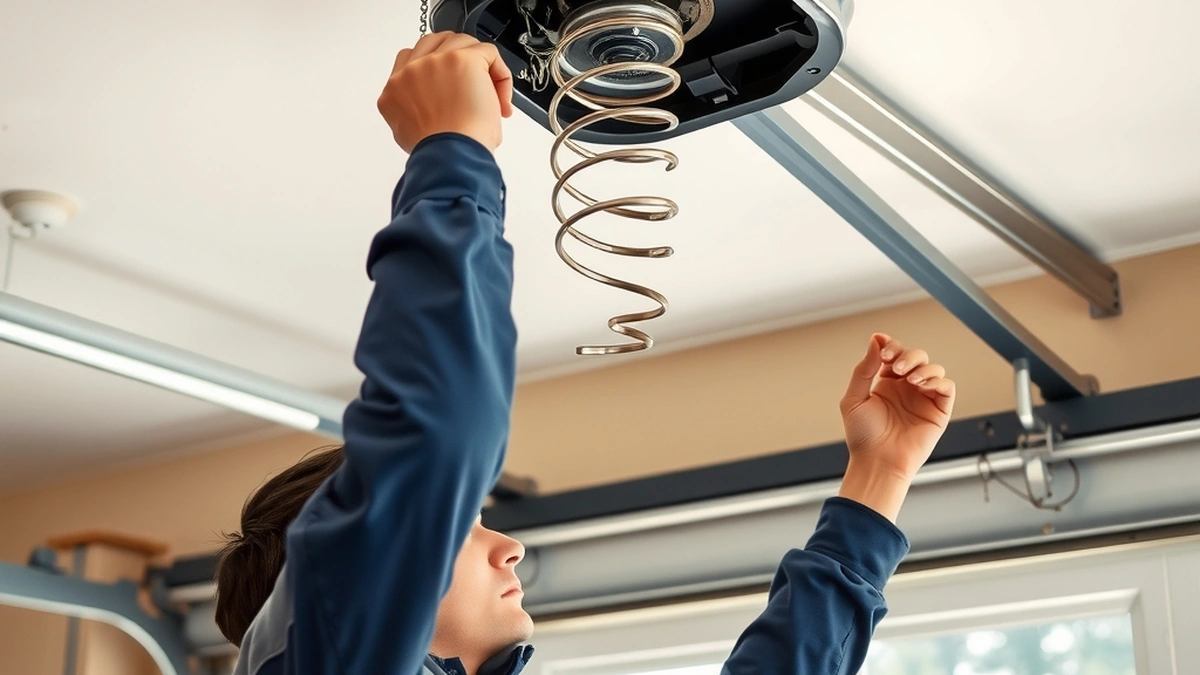
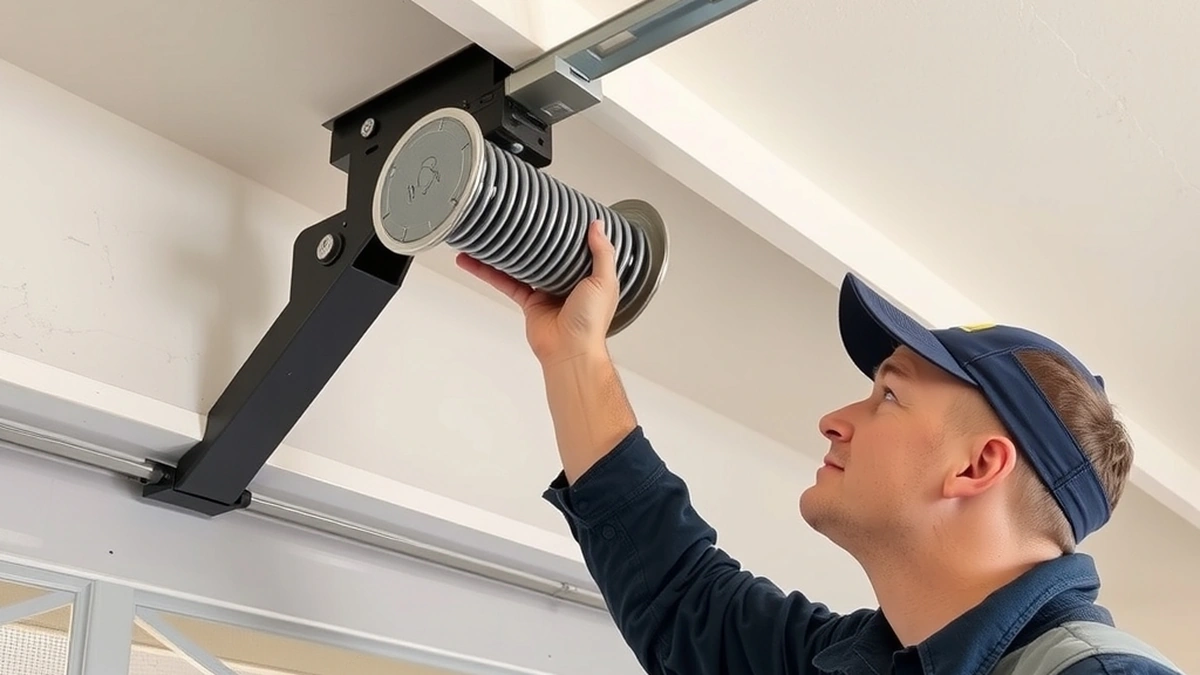
Garage door springs are under high tension. Torsion springs mount above the door and twist tightly to store energy; extension springs stretch along the horizontal tracks. Both can cause serious injury if they release unexpectedly or if tools slip during adjustment.
Homeowners should handle lubrication, visual inspection, and balance testing. Anything involving winding cones, set screws, cable drums, or spring replacement belongs to a qualified technician. If your door is unbalanced, making grinding noises, or showing visible spring gaps, schedule service rather than attempting a DIY fix.
For more on what professional repair typically involves and how pricing breaks down, see our overview of garage door repair costs and our guide to repair versus replacement. If you are also weighing whether to repair or replace an aging door, our maintenance guide explains how to extend the life of springs, rollers, and tracks.
Regular care costs little and takes minutes, but it can prevent the loud bang, the stranded vehicle, and the emergency bill that come with a broken spring.
Internal Links
- /how-much-does-garage-door-repair-cost/
- /garage-door-repair-installation/
- /garage-door-repair-maintenance/
Next, compare how much does garage door repair cost, garage door repair installation, garage door repair repair before you commit.
Frequently asked questions
How often should I lubricate garage door springs?
Apply a silicone-based garage door lubricant every six months to reduce friction and metal fatigue.
Can I prevent springs from breaking forever?
No. Springs have a finite cycle life, but maintenance can maximize their usable lifespan.
How do I know if my door is unbalanced?
Disconnect the opener and lift the door halfway; if it drifts up or down, the springs need adjustment.
Should I replace both springs at once?
Yes. Replacing both maintains even tension and prevents the newer spring from working harder than the older one.
Is it safe to adjust torsion springs myself?
No. Torsion springs store dangerous energy and should only be adjusted by a qualified technician.
What does a broken spring sound like?
A loud bang or pop in the garage, often mistaken for something falling or a car backfiring.
Sources
Some links are affiliate links.If you buy through them we may earn a commission at no extra cost to you. We do not accept payment for rankings. Read the full disclosure.