Garage Door Repair Installation: What It Involves
Learn what garage door repair installation involves, from springs and cables to panels and openers, with safety-first guidance and US pricing.
Garage door repair installation means replacing or fixing springs, cables, rollers, panels, or openers so the door operates safely and smoothly.
- Typical scope
- Springs, cables, rollers, panels, opener, tracks, hardware
- Safety priority
- Springs and cables are high-tension; hire a pro for those
- Price range
- $150–$4,000 depending on part and door type
- Emergency call-out
- $250–$500
Some links on this page are affiliate links.If you buy through them we may earn a commission at no extra cost to you. We do not accept payment for rankings. Read the full disclosure.
Garage door repair installation means replacing or fixing the components that make a door open, close, and stay balanced. It covers springs, cables, rollers, panels, tracks, and the opener, with safety checks after every repair. Because torsion springs and cables store dangerous tension, those jobs should be left to trained technicians.
What Garage Door Repair Installation Covers
A repair installation starts with diagnosis. A technician inspects the door, tracks, hardware, springs, cables, rollers, and opener to find the failed part. Once identified, the damaged component is removed and replaced. The door is then balanced, lubricated, and tested through several open-close cycles. Safety features, including auto-reverse and photo-eye sensors, are checked before the job is considered complete.
Not every repair requires the same skill level. Replacing a roller or tightening a hinge is straightforward. Replacing a torsion spring or lifting cable is not. Those parts operate under high tension and can cause severe injury if they snap or unwind unexpectedly. This guide treats springs and cables as professional-only work.
Torsion Spring Replacement
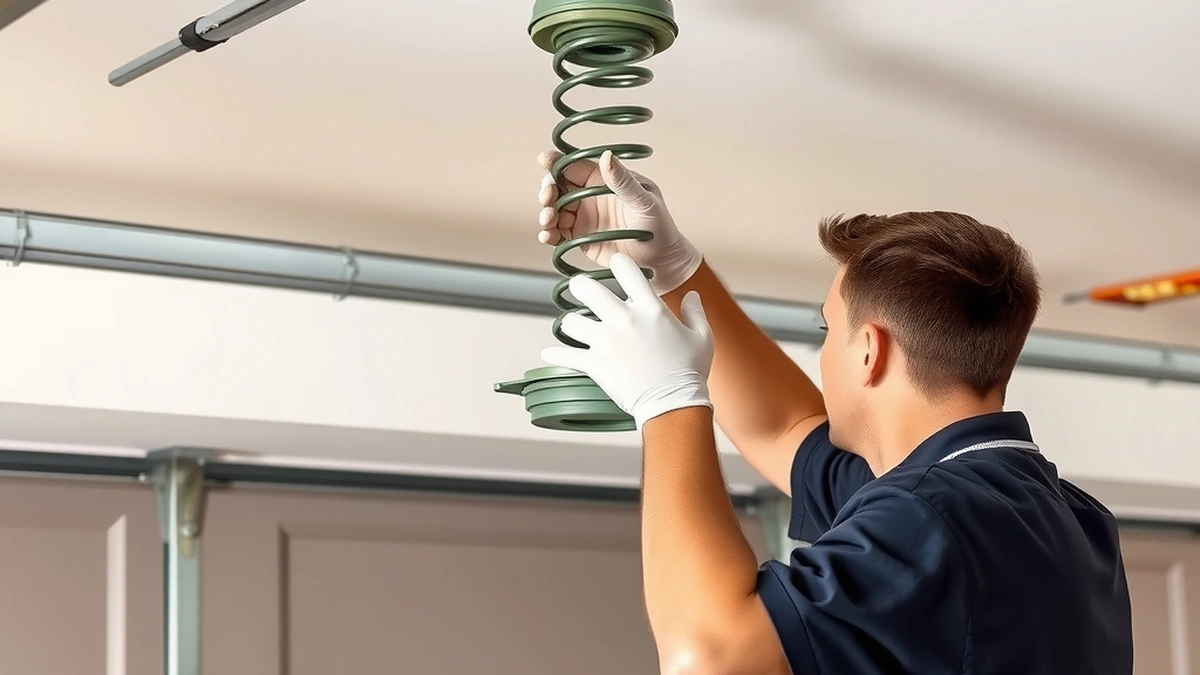
Torsion springs sit above the door and wind tightly to counterbalance its weight. A standard single-car door might weigh 130 pounds, while a double-car insulated door can exceed 300 pounds. The spring must match that weight exactly. If a 200-pound door is paired with a spring rated for 150 pounds, the opener and cables carry the extra load and wear out faster.
Professional torsion spring replacement typically costs $150 to $400. The price includes the spring, labor, and rebalancing. If both springs on a two-spring door are worn, replacing both at once is standard practice even if only one has broken. This keeps the door balanced and prevents a second service visit soon after.
Cable Repair and Replacement
Lifting cables run from the bottom brackets to the cable drums or spring assembly. They carry the door’s weight as it moves. Frayed or snapped cables make the door uneven or cause it to slam shut. Cable repair generally costs $150 to $350.
Because cables attach to the bottom corner brackets, which are under extreme spring tension, loosening them without releasing the spring first can release stored energy instantly. Technicians use winding bars and proper locking procedures to control that force. Homeowners should not attempt this repair.
Garage Door Opener Installation
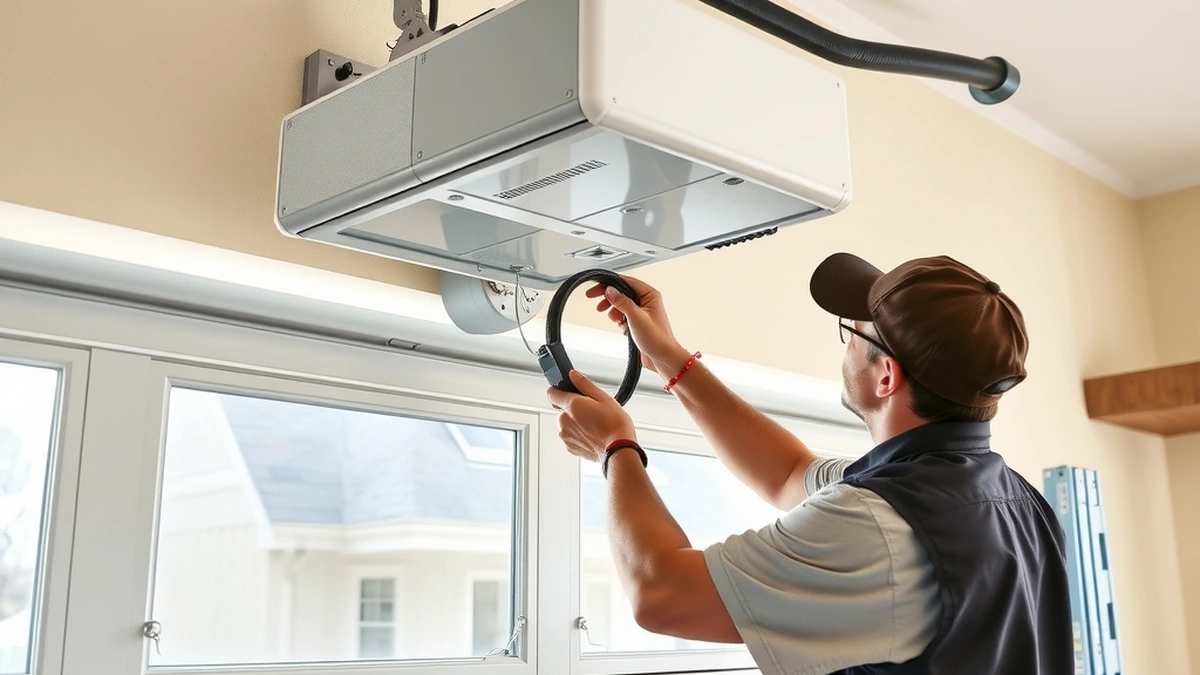
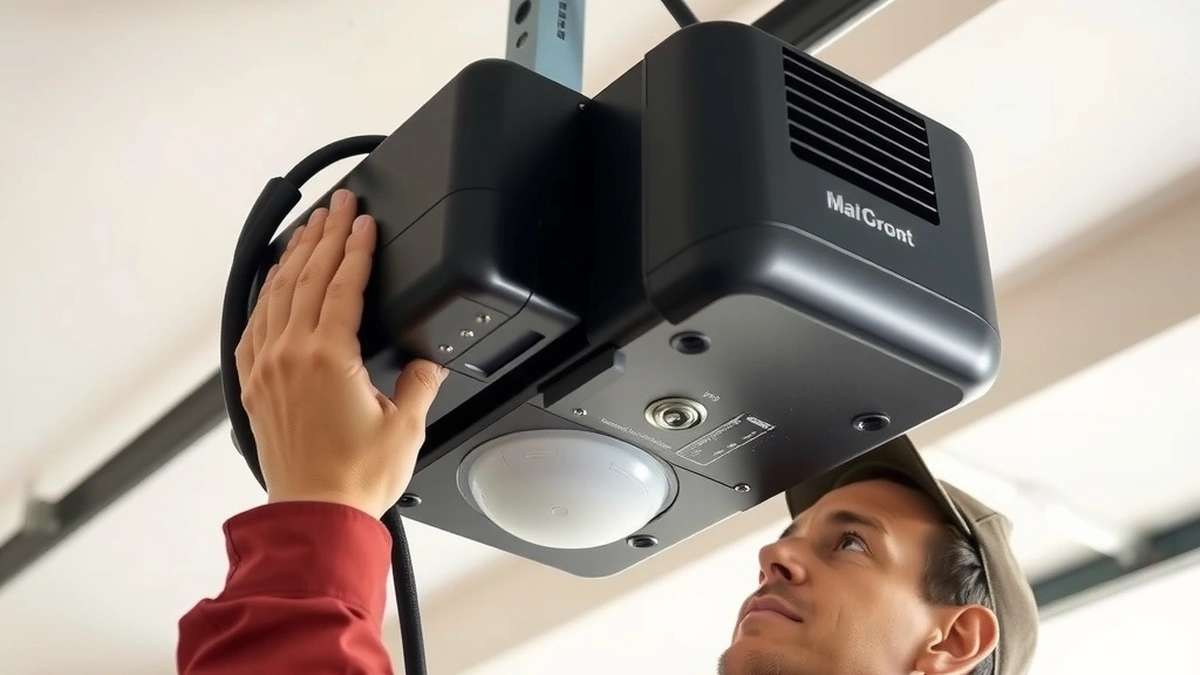
Opener installation involves mounting the motor to the ceiling, attaching the rail to the door bracket, wiring the wall control and safety sensors, and programming the remote. The opener must match the door’s size and weight. A lightweight single-car door needs less lifting force than a heavy carriage-style double door.
Professional opener installation usually runs $300 to $800, depending on drive type (chain, belt, or screw) and horsepower. Belt drives cost more but operate more quietly, which matters if a bedroom sits above the garage. Safety sensors are required by current standards and must be aligned so the door reverses when something interrupts the beam.
Panel Replacement
A dented or cracked panel can sometimes be replaced without changing the whole door. Panel replacement costs $200 to $600 per panel, including labor. The challenge is matching the paint, texture, and insulation of an existing door. Manufacturers discontinue styles, and sun exposure fades paint, so a new panel may stand out.
If multiple panels are damaged or the door is more than 15 to 20 years old, full replacement often makes more financial sense. A new door installed costs $800 to $4,000, depending on material, size, insulation, and design. Steel doors are common and affordable; wood and custom carriage-house doors cost more.
Full Door Replacement vs. Repair
When repair costs approach half the price of a new door installed, replacement is usually the better value. For example, if a door needs two springs ($300), cables ($250), and panels ($400), the repair total nears $950 before labor for miscellaneous hardware. A new door installed at $800 to $4,000 comes with fresh panels, springs, cables, and a warranty.
Repair makes sense when the issue is isolated: one broken spring, one snapped cable, or a faulty opener circuit board. Full replacement makes sense when the door sags, rusts through, or no longer seals properly at the bottom and sides.
Safety First: Springs, Cables, and Loads
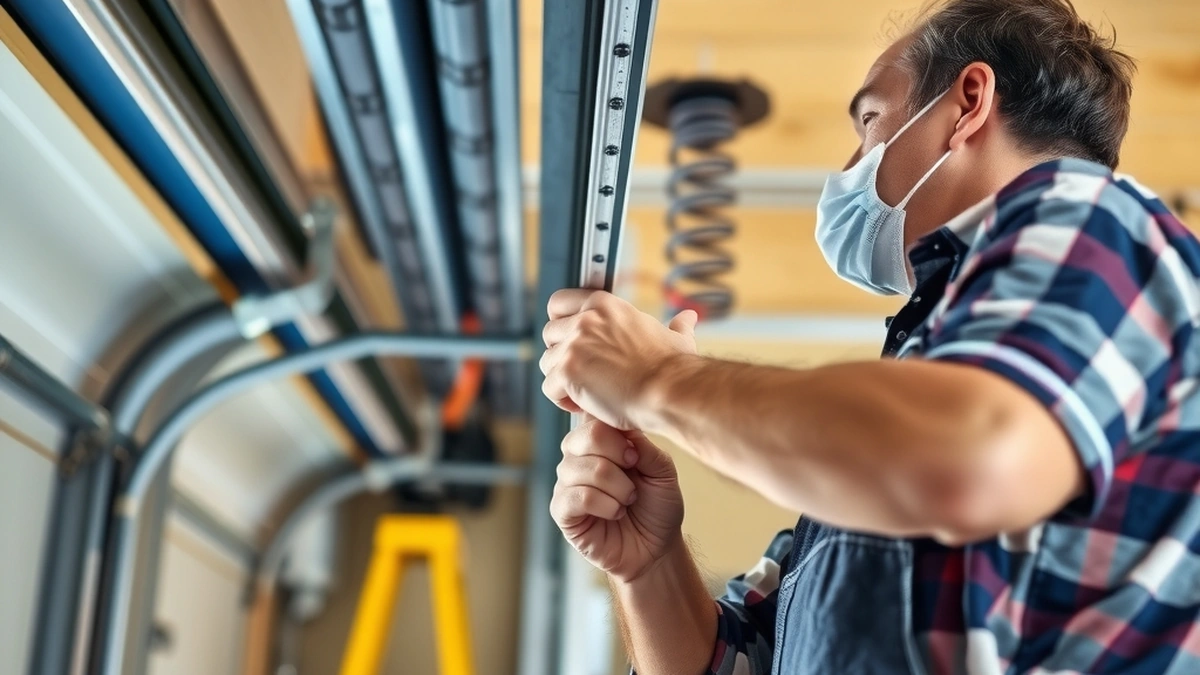
Garage doors are heavy moving objects. A double-car door can weigh 250 to 350 pounds or more. If a torsion spring fails while the door is open, that weight drops instantly. Cables can whip with enough force to cause serious injury. The door’s balance should be tested by disconnecting the opener and lifting the door halfway. It should stay put. If it drifts up or down, the springs need adjustment.
Work near springs and cables requires proper tools, including winding bars, locking pliers, and sturdy ladders. The power to the opener should be disconnected before any service. These precautions align with workplace safety guidance from OSHA and construction code principles from the International Code Council.
Cost Examples and Arithmetic
Repair pricing varies by part and region. The figures below are estimates, not quotes.
- Torsion spring replacement: $150–$400
- Cable repair: $150–$350
- Opener installation: $300–$800
- Panel replacement: $200–$600
- New door installed: $800–$4,000
- Emergency call-out: $250–$500
Here is how a typical service visit might add up. A homeowner calls for a broken spring on a Saturday evening. The emergency call-out fee is $300. Torsion spring replacement is $250. The subtotal is $550. If the technician also finds a frayed cable and replaces it for $200, the total reaches $750 before tax.
For load arithmetic, consider a 16-foot by 7-foot insulated steel door weighing about 220 pounds. The torsion spring must generate roughly 220 pounds of lifting force to balance the door. If the door is manually lifted halfway and released, it should remain stationary. A door that falls even a few inches indicates the spring is under-wound or mismatched, which adds strain to the opener and tracks.
Choosing a Repair Provider
Look for a provider that lists pricing ranges, offers warranties on parts and labor, and does not pressure you into full replacement when a single-part repair will suffice. Ask whether the technician is experienced with torsion springs specifically, since that is the highest-risk part of the job. A reputable company will also inspect the tracks, rollers, and safety sensors during the visit rather than only swapping the part you named over the phone.
Routine maintenance extends the life of every component. Lubricating rollers, hinges, and springs twice a year reduces friction. Tightening loose bolts prevents track misalignment. Testing auto-reverse monthly confirms the door stops when it meets resistance. These steps do not replace spring or cable service, but they help catch wear before it becomes a failure.
Garage door repair installation is not a single task. It is a sequence of diagnosis, part replacement, balancing, and safety verification. Springs and cables demand professional attention because of the tension they carry. Openers, panels, and rollers are more straightforward but still benefit from correct installation and testing. When the repair bill approaches the cost of a new door, replacement is often the smarter long-term choice.
Next, compare how much does garage door repair cost, garage door repair repair, garage door repair maintenance before you commit.
Frequently asked questions
What does garage door repair installation include?
It includes diagnosing the fault, removing the damaged part, installing the replacement, balancing the door, and testing safety features.
Which repairs are dangerous for DIY?
Torsion spring and cable replacement involve high tension and can cause serious injury if handled without proper tools and training.
How much does torsion spring replacement cost?
Professional torsion spring replacement typically costs between $150 and $400, depending on spring type and door weight.
How much does a new garage door cost installed?
A new garage door installed generally ranges from $800 to $4,000 based on size, material, insulation, and labor.
Can I replace just one panel?
Yes, panel replacement usually runs $200 to $600, though matching older doors can be difficult and full replacement may be better.
What is an emergency call-out fee?
Emergency service outside normal hours typically adds $250 to $500 on top of the repair cost.
Sources
Some links are affiliate links.If you buy through them we may earn a commission at no extra cost to you. We do not accept payment for rankings. Read the full disclosure.