DIY Garage Door Repair: What You Can and Cannot Do
Learn which garage door repairs are safe for DIY and which require a pro, with cost ranges and safety guidance.
You can safely handle lubrication, track cleaning, and remote battery changes. Springs, cables, and opener installation should be left to professionals.
- Safe DIY tasks
- Lubrication, sensor alignment, remote batteries, weatherstrip
- Call a pro for
- Torsion springs, cables, opener installation, panel replacement
- Pro spring replacement cost
- $150–$400
- Pro cable repair cost
- $150–$350
Some links on this page are affiliate links.If you buy through them we may earn a commission at no extra cost to you. We do not accept payment for rankings. Read the full disclosure.
DIY garage door repair: what you can and cannot do comes down to one question: where does routine maintenance end and dangerous tension begin? You can safely lubricate rollers, clean tracks, replace remote batteries, and adjust safety sensors. You should not attempt torsion spring replacement, cable repair, or opener installation without professional training and tools.
The dividing line is mechanical energy. A standard residential garage door weighs between 130 and 250 pounds. Torsion springs are wound tightly enough to counterbalance that weight, and extension springs stretch across the horizontal tracks with comparable force. If a spring snaps or a cable slips while you are working on it, the released energy can cause serious injury or property damage. Safety first, price second.
Tasks Most Homeowners Can Handle
Several maintenance items fall well within DIY territory. These jobs do not involve releasing spring tension or working with high-voltage wiring.
- Lubricating rollers, hinges, and tracks with a silicone-based garage door lubricant every six months.
- Cleaning photo-eye sensors with a soft cloth and checking that they face each other directly.
- Replacing batteries in remote controls and wall-mounted keypads.
- Tightening loose bolts on track brackets and roller brackets, provided you do not touch the bottom bracket attached to the spring system.
- Replacing worn weatherstripping along the bottom of the door.
These tasks take minutes and require only basic hand tools. If you notice the door reversing unexpectedly or making grinding noises after lubrication, stop and schedule a professional inspection.
Tasks You Should Never Attempt Alone
Some repairs carry a high risk of injury and should always be left to a certified technician.
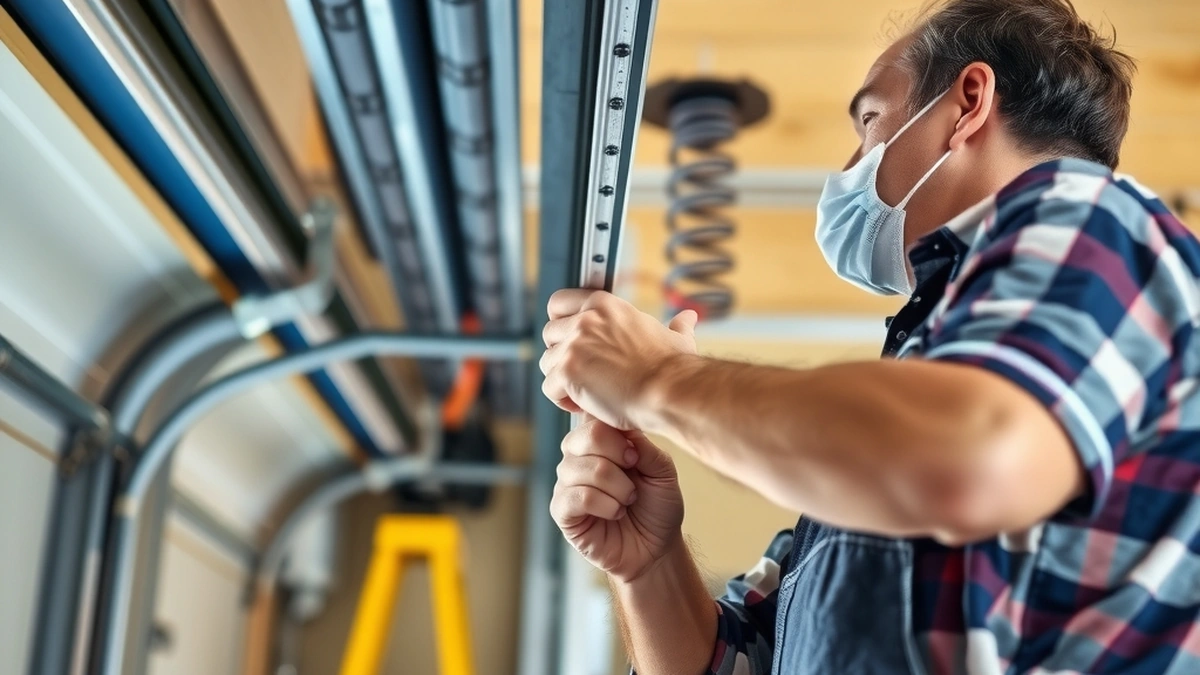
Torsion spring replacement. Torsion springs mount above the door and are wound under extreme tension. A standard spring can store enough energy to lift a 200-pound door. Professional replacement typically costs between $150 and $400. Attempting this without proper winding bars and experience can result in lacerations, broken bones, or worse.
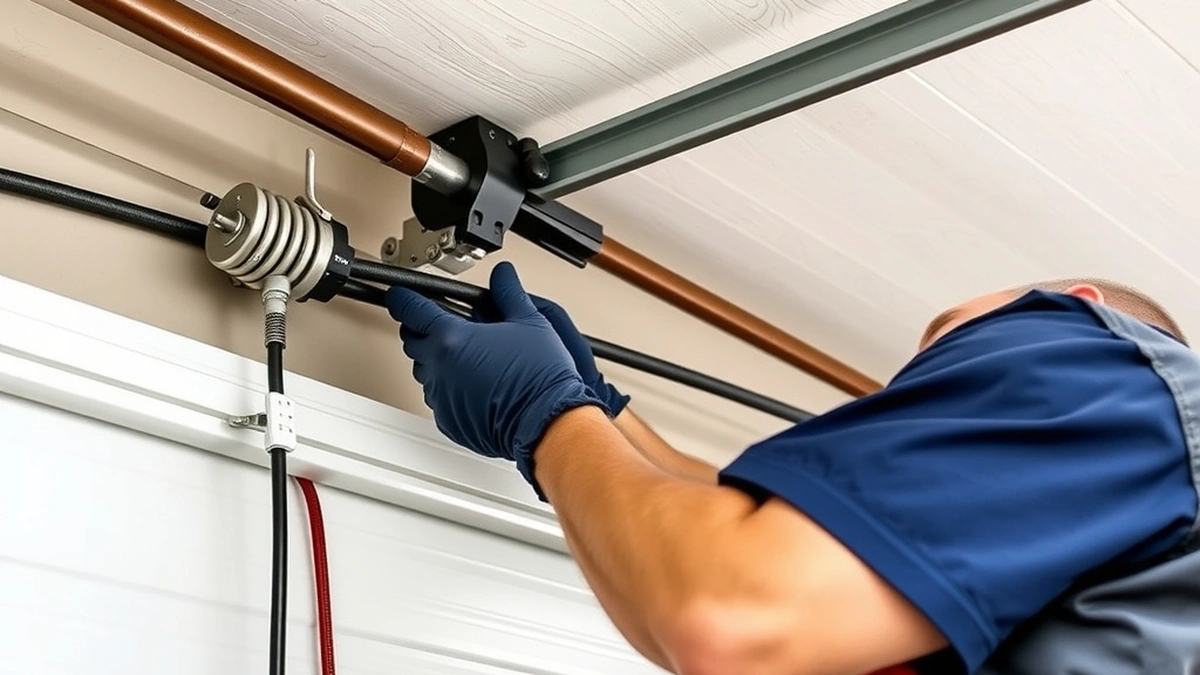
Cable repair or replacement. Lifting cables run from the bottom corners of the door to the spring assembly. A frayed or snapped cable means the door is unbalanced and can fall without warning. Professional cable repair generally runs $150 to $350.
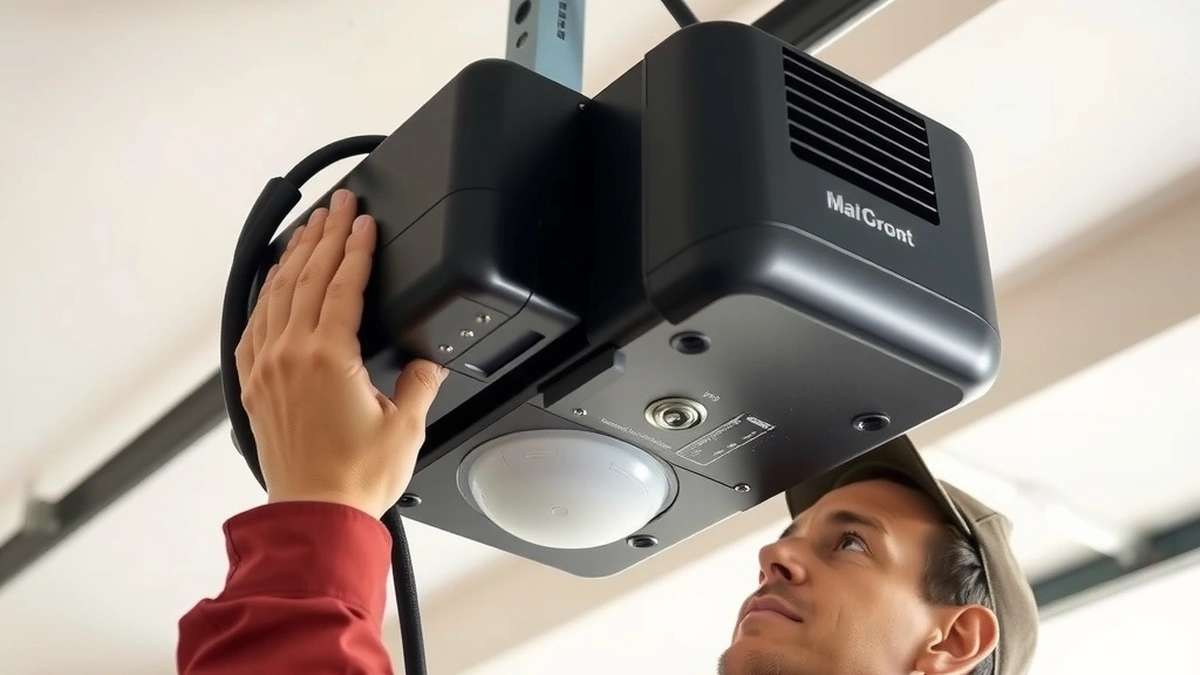
Garage door opener installation. Mounting the opener unit, wiring it to a ceiling outlet, and aligning the drive mechanism involves electrical work and heavy lifting. Professional installation usually costs $300 to $800. If you are replacing an existing opener, disconnect power before removing the old unit, but leave the new installation to a pro.
Panel replacement. A dented or damaged panel may look like a cosmetic swap, but panels are heavy and integrated into the door’s balance system. Professional panel replacement typically costs $200 to $600 per panel.
Understanding the Cost Gap
DIY saves labor, but it does not eliminate risk. Consider the math for a common scenario.
A homeowner with a broken torsion spring might buy two replacement springs online for roughly $60 to $120 total. They might also need winding bars for $20 to $40. The parts cost comes to about $80 to $160. A professional spring replacement costs $150 to $400 including labor, warranty, and safety inspection. The DIY savings appear to be $70 to $240, but if the spring unwinds during installation, medical costs can far exceed the price of a service call.
For cable repair, parts might cost $30 to $60, while professional service runs $150 to $350. Again, the labor premium exists because the technician must release spring tension safely, install the cable, and rebalance the door.
If you attempt a repair and cause further damage, an emergency call-out typically costs $250 to $500 before any parts or labor. That fee can erase any DIY savings quickly.
When to Replace Instead of Repair
Sometimes the most cost-effective choice is not a repair at all. If your door is more than 15 to 20 years old, has multiple broken panels, or requires repeated spring and cable service, a new door installed may cost $800 to $4,000 depending on material, insulation, and size. Compare that to repeated repair bills: two spring replacements at $150 to $400 each plus cable repairs at $150 to $350 can approach $1,000 to $1,500 over a few years without fixing an aging door’s underlying wear.
A new door also brings improved insulation, quieter operation, and modern safety features such as pinch-resistant panels and rolling-code remotes. If your current door lacks auto-reverse or functional photo-eye sensors, replacement may be the safer long-term investment.
Safety Checks Before Any Work
Before you touch any garage door component, follow these precautions.
- Disconnect the opener by pulling the emergency release cord so the door operates manually.
- Clamp a pair of locking pliers to the track above a roller to prevent the door from falling if a spring fails.
- Never stand directly under the door while it is open and disconnected.
- Do not loosen or remove the bottom bracket on either side of the door; it is under spring tension.
- Wear safety glasses and gloves. Keep children and pets out of the garage during any inspection.
If you hear a loud bang like a gunshot, that is likely a broken spring. Do not attempt to open or close the door. Call a professional immediately.
Finding the Right Professional
When a repair exceeds DIY limits, look for a licensed and insured garage door technician. Ask whether the quote includes parts, labor, and a warranty on springs and cables. A reputable pro will also perform a balance test after service: disconnect the opener, lift the door halfway, and release it. The door should stay in place. If it drifts up or down, the springs need adjustment.
You can compare repair cost ranges and service options in our guide to how much does garage door repair cost. For help deciding between repairing an existing door and installing a new one, see garage door repair vs garage door opener. Regular upkeep extends component life; our garage door repair maintenance page outlines a seasonal checklist.
Knowing your limits protects both your wallet and your well-being. Handle the small tasks, respect the springs, and call a professional when tension is involved.
Frequently asked questions
Can I replace a torsion spring myself?
No. Torsion springs store enough force to lift a 150- to 250-pound door and can cause severe injury or death if they unwind unexpectedly.
What is the safest DIY garage door task?
Lubricating rollers, hinges, and tracks with a silicone-based lubricant is low risk and takes about 15 minutes.
How much does professional spring replacement cost?
Expect to pay between $150 and $400 for torsion spring replacement, depending on door size and spring type.
Can I fix a frayed garage door cable?
No. Cables operate under high tension and should be replaced by a technician; cable repair typically runs $150 to $350.
Is it okay to realign safety sensors?
Yes. Cleaning the sensor lenses and ensuring they face each other is a simple DIY task that takes a few minutes.
Should I install a new garage door opener myself?
Opener installation involves electrical wiring and heavy lifting; professional installation usually costs $300 to $800.
Sources
Some links are affiliate links.If you buy through them we may earn a commission at no extra cost to you. We do not accept payment for rankings. Read the full disclosure.