Garage Door Repair Repair: When It Is Worth It
Decide whether to repair or replace your garage door using real cost ranges and safety guidance for springs, cables, panels, and openers.
Repair is usually worth it when the cost is under half the price of a new installed door and the door is less than 15 years old.
- Typical repair threshold
- Under 50% of new door cost
- Torsion spring replacement
- $150–$400
- Cable repair
- $150–$350
- New door installed
- $800–$4,000
Some links on this page are affiliate links.If you buy through them we may earn a commission at no extra cost to you. We do not accept payment for rankings. Read the full disclosure.
Garage door repair repair is worth it when the fix costs less than roughly half of a new installed door and the remaining hardware is still sound. A new door installed typically runs $800 to $4,000, so spending $300 on a spring or cable repair often makes financial sense. If the damage is widespread or the door is nearing the end of its service life, replacement is usually the smarter choice.
How to Evaluate Repair versus Replacement
Start by comparing the repair estimate to the cost of a new door installed. A common rule of thumb is that repair is worth pursuing when the bill comes in under 50 percent of replacement cost. For example, if a new door installed would cost $2,000, a repair quote under $1,000 deserves serious consideration. Above that threshold, you are likely throwing good money after bad.
Age matters as well. Residential garage doors often last 15 to 30 years depending on material, usage, and maintenance. If your door is more than 15 years old and needs multiple systems addressed at once—springs, cables, panels, and opener—replacement usually delivers better long-term value. You can review typical lifespan expectations in our guide on how long does garage door repair last.
Also consider matching. Replacing one dented panel on a 12-year-old door may leave a visible patch because paint fades and styles are discontinued. Panel replacement costs $200 to $600 per panel, but if you need two or three panels, the total can approach the cost of a new door installed.
Common Repairs and What They Cost
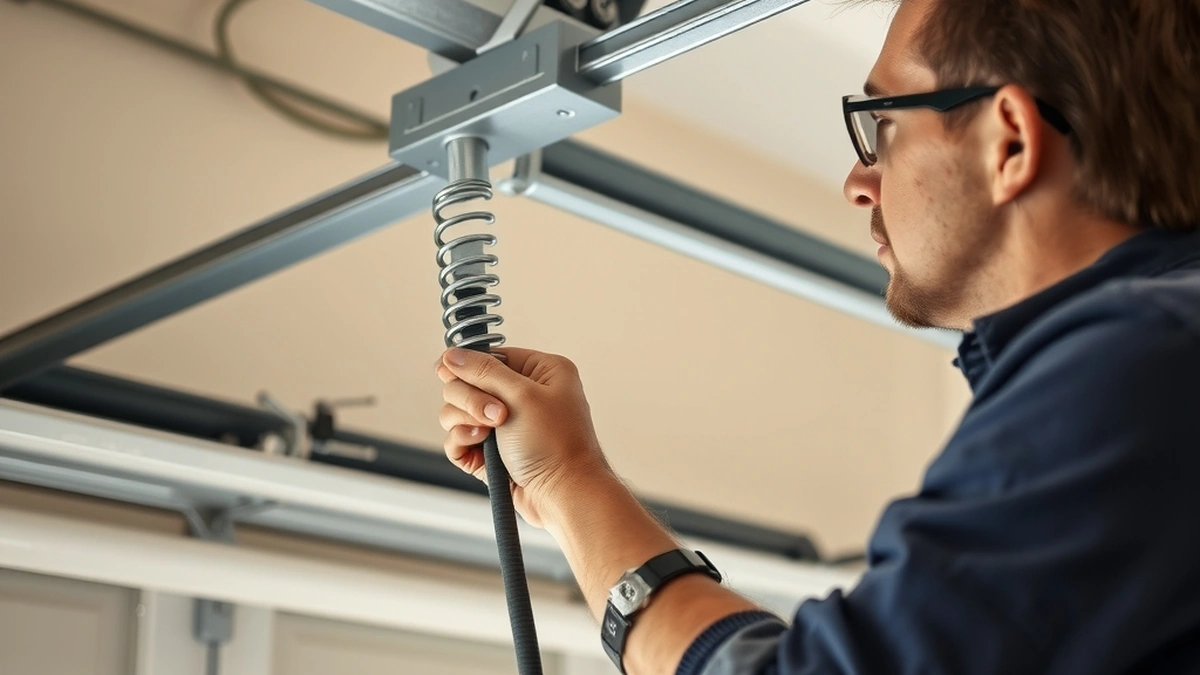
Torsion spring replacement is one of the most frequent garage door repairs. Professional replacement typically costs $150 to $400. Springs counterbalance the door, often lifting 150 pounds or more, so a failure makes the door hard or impossible to open manually. Because torsion springs are under extreme tension, this is not a DIY job.
Cable repair usually falls between $150 and $350. Cables work with the springs to control the door as it rises and lowers. Frayed or snapped cables can cause the door to hang crookedly or fall suddenly, creating a serious safety hazard. Like springs, cables operate under load and should be handled by a trained technician.
Opener installation runs $300 to $800 when you include the unit and labor. If your opener is older than 10 to 12 years and lacks modern safety features such as photo-eye sensors or rolling-code technology, replacing it may be worthwhile even if the door itself is still functional. More detail on the distinction between door and opener service is available at garage door repair vs garage door opener.
Emergency service carries a premium. An after-hours or same-day call-out typically adds $250 to $500 before any parts or labor. If your door is stuck open at midnight, that fee may be unavoidable. If the issue can wait until normal business hours, scheduling a standard visit can save hundreds of dollars.
Safety Comes First, Every Time
Garage doors are heavy, moving objects under tension. A standard single door can weigh 130 pounds or more, while a double door often exceeds 200 pounds. Torsion springs store enough energy to cause severe injury or death if they unwind unexpectedly. The Occupational Safety and Health Administration addresses workplace hazards around mechanical systems, and homeowners should apply the same caution: never attempt to adjust or replace torsion springs or lift cables yourself.
Professional technicians use winding bars, proper lockout procedures, and rated replacement parts. They also check balance after repairs. A properly balanced door should stay in place when lifted halfway and released. If it drifts up or down, the springs need adjustment. This is a quick safety check you can perform visually, but the adjustment itself belongs to a pro.
If you are considering any hands-on work, limit it to lubricating rollers, tightening visible hardware, or cleaning tracks. Anything involving springs, cables, or door balance should go to a licensed service provider. Our overview of diy garage door repair explains which tasks are reasonable for homeowners and which are not.
When Repair Is Clearly Worth It
Repair makes sense when the problem is isolated and the door is otherwise in good condition. A broken torsion spring on a 10-year-old steel door is a classic example. At $150 to $400, the repair restores function for a fraction of the $800 to $4,000 cost of a new door installed. The same applies to a single snapped cable at $150 to $350 or a malfunctioning safety sensor that can be realigned or replaced during a routine service visit.
Noise is another common issue that often has a cheap fix. Grinding or squeaking usually points to dry rollers, loose hardware, or a lack of lubrication. These maintenance items cost little and can extend the life of the door significantly. Regular upkeep is covered in our garage door repair maintenance section.
If the door has sustained impact damage from a vehicle but the frame, tracks, and opener are intact, panel replacement may restore appearance and function. At $200 to $600 per panel, this is worth it when only one panel is affected and the door is less than 10 to 12 years old.
When Replacement Is the Better Choice
Replacement becomes the better financial decision when repair costs stack up. Imagine a 14-year-old door that needs a spring replacement ($150–$400), cable repair ($150–$350), and two panels ($400–$1,200). The total could reach $700 to $1,950, not including an emergency call-out of $250 to $500. At the high end, you are paying nearly as much as a new door installed while keeping an aging system with worn rollers, weatherstripping, and possibly an outdated opener.
Severe rust, rot, or delamination also argues for replacement. Surface rust can be cleaned and painted, but structural corrosion weakens the door and its attachment points. Wood doors with rot at the bottom panel may compromise the entire section. Once the integrity of the door is in question, no amount of spring or cable repair makes it safe to operate daily.
Repeated breakdowns are another signal. If you have called for service twice in a year, the remaining components are likely fatigued. Continued repair invites more downtime and emergency fees. A new door installed comes with fresh hardware, better insulation options, and a warranty, which often lowers the cost of ownership over the next decade.
Get Multiple Estimates Before Deciding
Invite two or three licensed garage door companies to inspect the door and provide written estimates. Ask them to itemize parts, labor, and any emergency or trip charges. Compare those numbers against the $800 to $4,000 range for a new door installed. If one quote is dramatically lower than the others, ask what is excluded—some estimates omit disposal fees, permit costs, or upgraded hardware.
Check whether the company is insured and whether technicians are trained on torsion spring systems. You can also consult general safety guidance from OSHA and home inspection standards from NACHI to understand what professional service should include. For energy-related considerations such as insulated doors and garage efficiency, the U.S. Department of Energy offers public resources.
Before signing, confirm the warranty on parts and labor. Springs often carry a warranty of one to several years depending on cycle rating, while doors and openers may have longer coverage. A cheap repair with no warranty can cost more than a slightly pricier repair backed by a solid guarantee.
Bottom Line
Garage door repair repair is worth it when the invoice is under roughly half the cost of a new door installed and the door is not near the end of its useful life. A spring replacement at $150 to $400 or a cable repair at $150 to $350 is usually a sound investment on a younger door. When multiple systems fail, panels are hard to match, or the door is rusted and aging, putting that money toward a new door installed at $800 to $4,000 protects your home and your budget. Always prioritize safety: leave springs and cables to professionals, and never compromise on proper hardware just to save a few dollars today.
Frequently asked questions
When should I replace instead of repair?
Replace when repairs approach half the cost of a new installed door, or when the door has multiple broken panels, severe rust, or recurring opener failures.
Are garage door springs safe to fix myself?
No. Torsion springs store dangerous force and can cause serious injury or death if they release unexpectedly. Always hire a professional.
How much does torsion spring replacement cost?
Professional torsion spring replacement typically runs between $150 and $400, depending on door size, spring type, and local labor rates.
Can a single panel be replaced?
Yes, individual panel replacement usually costs $200 to $600, but matching older door styles and colors can be difficult.
Does an emergency call-out cost extra?
Yes. Emergency or after-hours service typically adds $250 to $500 on top of the repair price.
How long should a repaired garage door last?
A quality repair can add several years of service, but lifespan depends on usage, maintenance, and the condition of the remaining components.
Sources
Some links are affiliate links.If you buy through them we may earn a commission at no extra cost to you. We do not accept payment for rankings. Read the full disclosure.