How Long Does Garage Door Repair Last?
Learn the typical lifespan of common garage door repairs and when replacement makes more sense.
Most garage door repairs last 3 to 10 years. Torsion springs typically last 7 to 12 years, cables 5 to 10 years, and openers 10 to 15 years before needing replacement.
- Torsion spring replacement
- 7–12 years
- Cable repair
- 5–10 years
- Opener installation
- 10–15 years
- Panel replacement
- 10–20 years
- Full door replacement
- 15–30 years
Some links on this page are affiliate links.If you buy through them we may earn a commission at no extra cost to you. We do not accept payment for rankings. Read the full disclosure.
Most garage door repairs last between 3 and 10 years, depending on the part, usage, and maintenance. A torsion spring replacement typically holds for 7 to 12 years, while a cable repair may last 5 to 10 years. Understanding these timelines helps you decide whether to fix a component or invest in a new door.
Why Repair Lifespan Varies by Component
Garage doors are moving systems under constant tension. Every time the door opens and closes, springs, cables, rollers, and the opener experience wear. A door used twice a day accumulates roughly 730 cycles per year. A door used four times a day doubles that to about 1,460 cycles annually. Because most torsion springs are rated around 10,000 cycles, heavy use can cut a spring’s life from 12 years down to 7 years or less.
Environment also matters. Humidity and road salt accelerate rust on cables and springs. Temperature swings affect lubricant viscosity and can stress opener gears. A well-maintained door in a dry climate will usually outlast a neglected door in a coastal or winter-heavy region.
Typical Lifespan by Repair Type
Not all repairs age the same way. Below are estimated service lives for common garage door repairs. These are estimates based on typical residential use, not guarantees.
| Repair Type | Estimated Lifespan | Typical Cost (USD) |
|---|---|---|
| Torsion spring replacement | 7–12 years | $150–$400 |
| Cable repair | 5–10 years | $150–$350 |
| Opener installation | 10–15 years | $300–$800 |
| Panel replacement | 10–20 years | $200–$600 |
| New door installed | 15–30 years | $800–$4,000 |
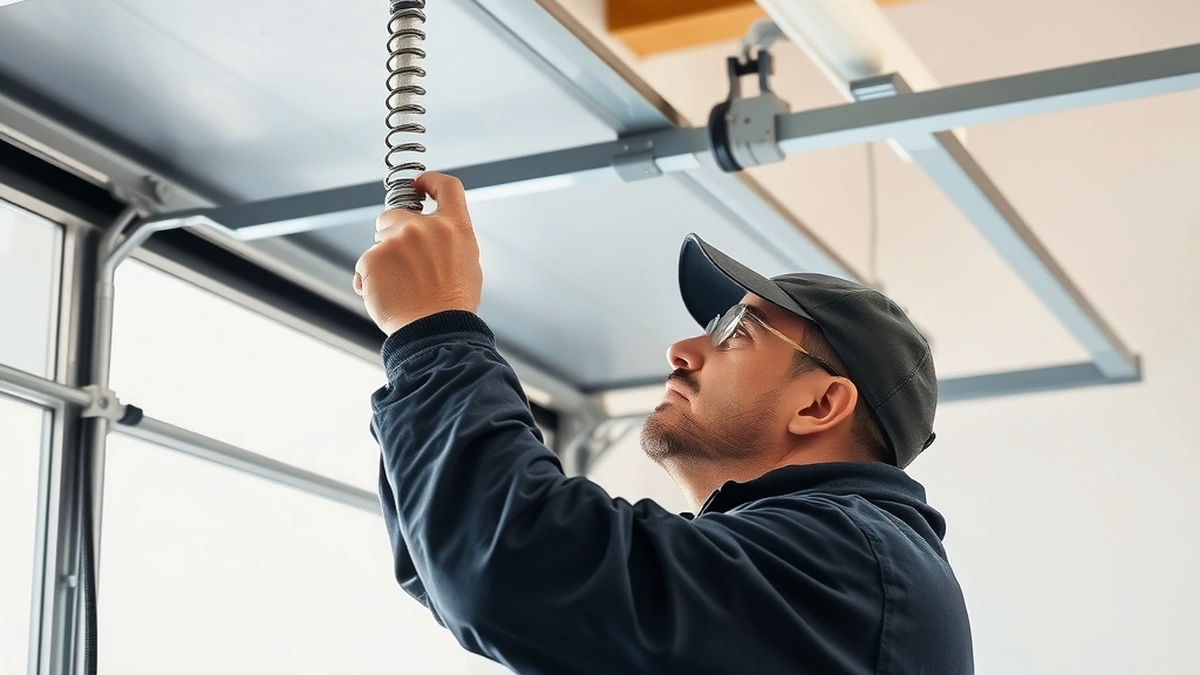
Torsion springs carry the door’s weight. A standard 16-by-7-foot door can weigh 150 pounds or more. If a spring rated for 10,000 cycles breaks after 6,000 cycles due to rust or poor lubrication, you lose roughly 40 percent of its expected service life. Replacing both springs at once, even if only one has failed, keeps the door balanced and prevents uneven wear on the remaining spring.
Cables work with the springs to lift and lower the door. Frayed cables can snap under load. A 150-pound door places significant tension on each cable, so a compromised cable is a safety hazard as well as a repair item. Cable repairs often last 5 to 10 years, but exposure to moisture can shorten that window.
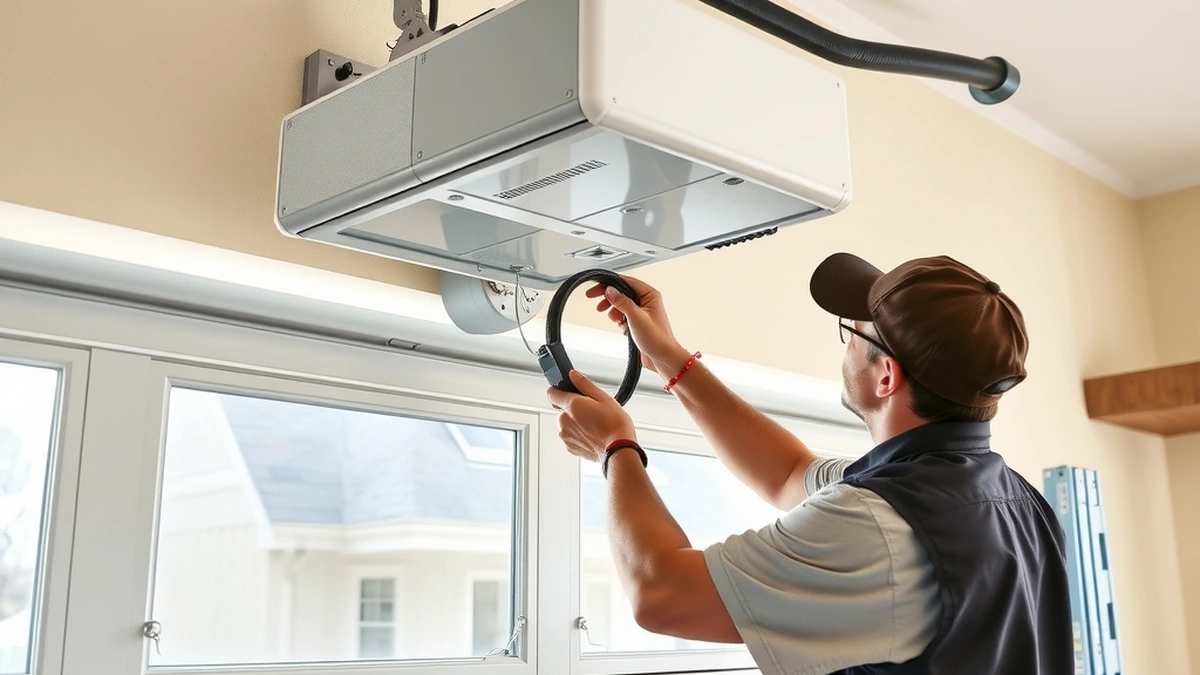
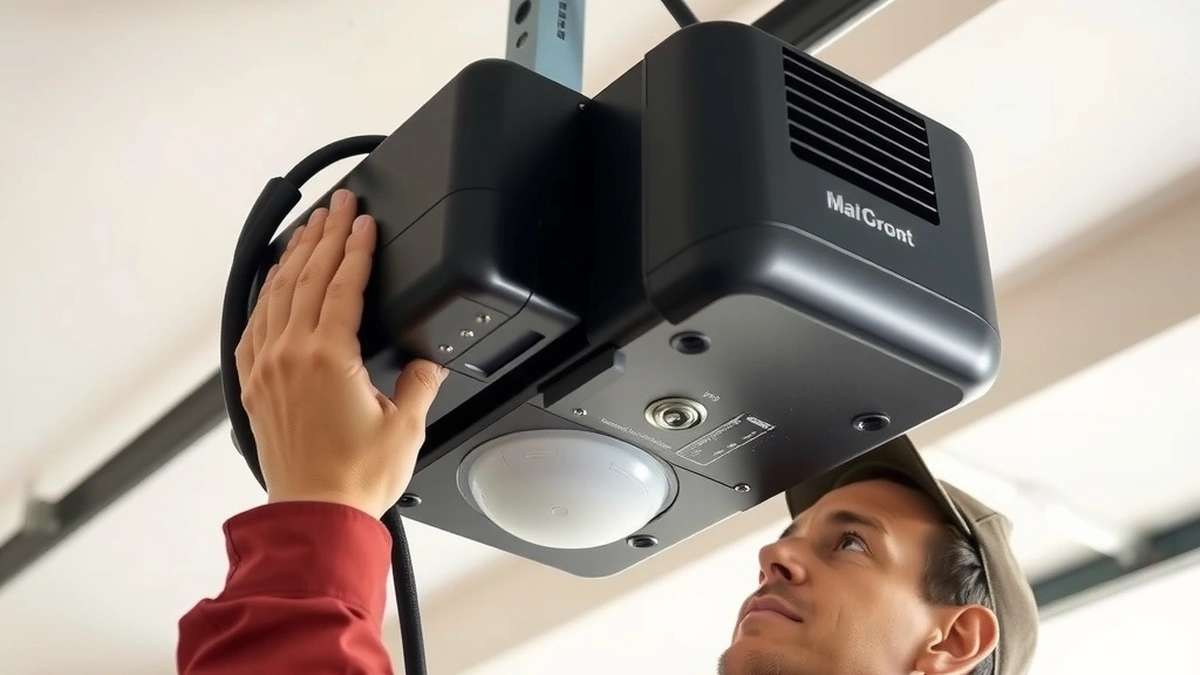
Openers contain motors, gears, and electronics. Belt-drive and chain-drive models commonly reach 10 to 15 years. Lubricating the rail and checking the safety reverse system regularly helps an opener reach the upper end of that range.
Panel replacement is usually cosmetic or damage-related. A replaced panel can last as long as the rest of the door, often 10 to 20 years, unless the underlying door structure is deteriorating. If multiple panels are damaged or the door is sagging, full replacement often makes more financial sense than patching individual panels.
When Repair Costs Approach Replacement Costs
Price should factor into your repair-versus-replace decision. A single torsion spring replacement might cost $150 to $400. If your door needs springs, cables, and opener repairs in the same year, you could spend $600 to $1,550 or more. At that point, a new door installed for $800 to $4,000 starts to look competitive, especially if the existing door is 15 to 20 years old.
Here is a simple comparison for a 16-by-7-foot door:
- Two torsion springs replaced: $300–$800 total
- Two cables repaired: $300–$700 total
- Opener replaced: $300–$800 total
- Combined repair estimate: $900–$2,300
- New door installed: $800–$4,000
If repairs exceed roughly half the cost of a new door installed, replacement is often the better long-term value. Emergency service adds $250 to $500 on top of standard repair pricing, which can push repair costs even closer to replacement territory.
Safety Comes First
Springs and cables store dangerous amounts of energy. A torsion spring under tension can unwind with enough force to cause serious injury or death. Never attempt to adjust, remove, or replace torsion springs or cables without proper training and tools. If a spring breaks, the door can slam shut unexpectedly. If a cable frays, it can snap while the door is moving.
Always disconnect the opener and lock it out before inspecting the door. Keep children and pets away from the garage during any repair. When in doubt, call a qualified technician. The Occupational Safety and Health Administration provides workplace safety guidance that applies to garage door service work, and the International Association of Certified Home Inspectors offers residential inspection standards that cover garage door components.
Maintenance Extends Repair Life
Regular maintenance is the most reliable way to make repairs last. Lubricate springs, hinges, rollers, and tracks every six months with a silicone-based or lithium grease product approved for garage doors. Tighten loose bolts and brackets annually. Test the door balance by disconnecting the opener and lifting the door halfway; it should stay in place. If it drifts up or down, the springs may need adjustment by a professional.
Inspect cables for fraying, kinks, or rust. Check rollers for cracks or flat spots. Clean the tracks and make sure the safety sensors align properly. These steps cost little time and money, but they can add years to springs, cables, and openers. For a maintenance schedule and checklist, see our guide to garage door repair maintenance.
Making the Decision
If your door is under 10 years old and the issue is isolated—one broken spring, one frayed cable, or a single damaged panel—a repair is usually worthwhile. If the door is 15 to 20 years old and multiple systems are failing, replacement often delivers better reliability and safety.
A new door installed for $800 to $4,000 includes updated hardware, better insulation options, and a fresh warranty. Repairing an older door repeatedly can cost more over time than replacing it once. For help comparing repair versus replacement scenarios, review our garage door repair versus garage door opener breakdown and our full garage door repair installation overview.
DIY work on springs and cables is not recommended due to the injury risk. If you are considering handling minor repairs yourself, read our DIY garage door repair guide first to understand which tasks are safe for homeowners and which require a professional.
Bottom Line
Garage door repairs typically last 3 to 10 years depending on the component. Torsion springs average 7 to 12 years, cables 5 to 10 years, openers 10 to 15 years, and panels 10 to 20 years. Track your repair costs, prioritize safety on springs and cables, and maintain the door regularly to get the full lifespan out of every repair.
Next, compare how much does garage door repair cost, garage door repair installation, garage door repair repair before you commit.
Frequently asked questions
How long do torsion springs last?
Torsion springs are usually rated for about 10,000 cycles, which often translates to 7 to 12 years of typical residential use before the spring loses tension or breaks.
How long do garage door cables last?
Garage door cables generally last 5 to 10 years, though fraying, rust, or improper drum alignment can shorten that window significantly.
How long does a garage door opener last?
A garage door opener commonly lasts 10 to 15 years, depending on usage frequency, maintenance, and whether the drive chain or belt is kept lubricated.
Should I repair or replace my garage door?
If repair costs approach half the price of a new door installed, or if the door is over 20 years old with recurring issues, replacement is usually the better value.
Are garage door springs dangerous to replace?
Yes. Torsion springs store tremendous energy and can cause serious injury or death if they unwind unexpectedly. Only a trained technician should handle spring replacement.
Does regular maintenance extend repair life?
Yes. Lubricating moving parts, tightening hardware, and checking balance annually can help springs, cables, and openers reach the upper end of their expected lifespan.
Sources
Some links are affiliate links.If you buy through them we may earn a commission at no extra cost to you. We do not accept payment for rankings. Read the full disclosure.