Belt-Drive Opener Maintenance: Safety-First Guide
How to maintain a belt-drive garage door opener, when to call a pro, and what repairs typically cost.
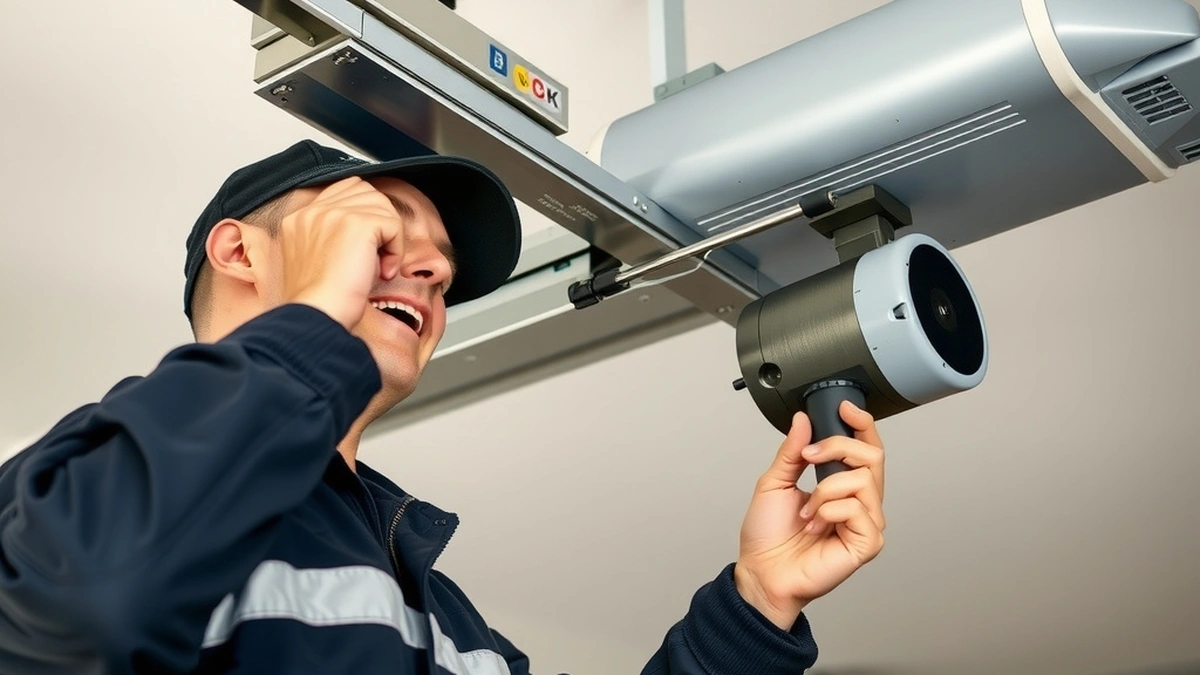
Inspect the belt, rails, and safety sensors every six months, lubricate the rail, tighten hardware, and test the auto-reverse monthly. Replace worn belts and call a pro for spring or cable work.
- Recommended inspection frequency
- Every 6 months
- Auto-reverse test frequency
- Monthly
- Typical belt replacement cost
- $100–$300 parts and labor (estimate)
- Opener installation cost
- $300–$800
- Emergency call-out cost
- $250–$500
Some links on this page are affiliate links.If you buy through them we may earn a commission at no extra cost to you. We do not accept payment for rankings. Read the full disclosure.
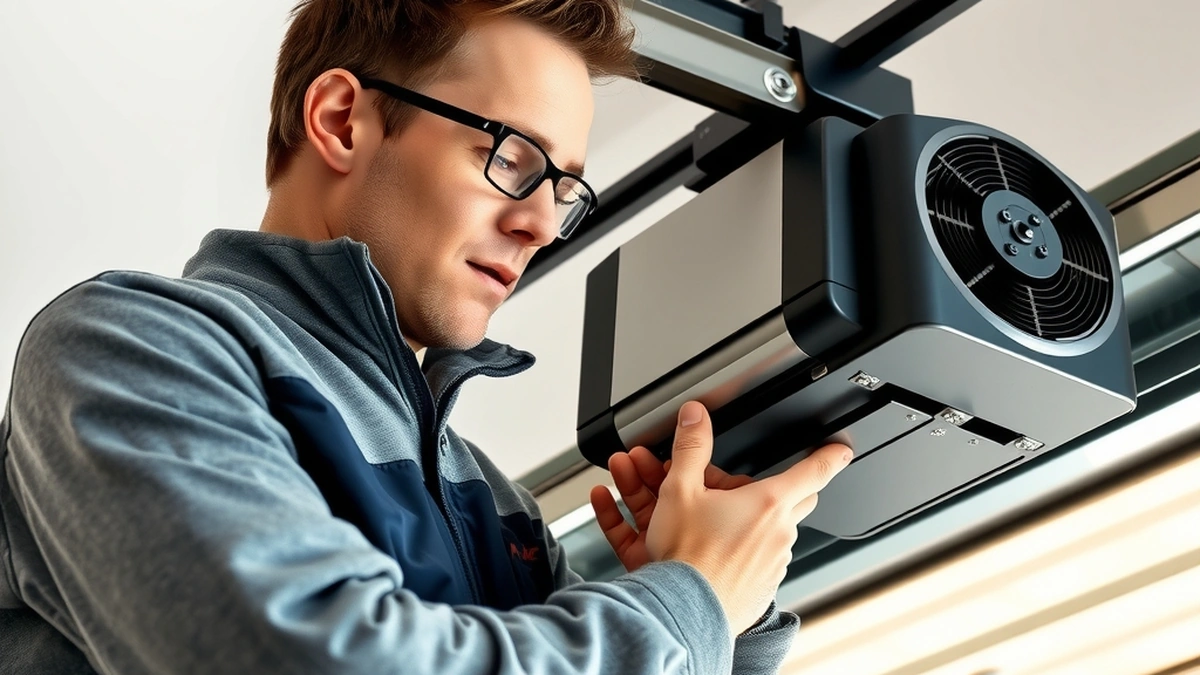
Belt-drive opener maintenance means inspecting the belt, rail, and safety components on a regular schedule and replacing worn parts before they fail. A quiet belt-drive opener can last many years, but only if the rail is lubricated, hardware stays tight, and the auto-reverse system works. Ignoring maintenance leads to noisy operation, premature belt wear, and avoidable service calls.
Why Belt-Drive Openers Need Regular Care
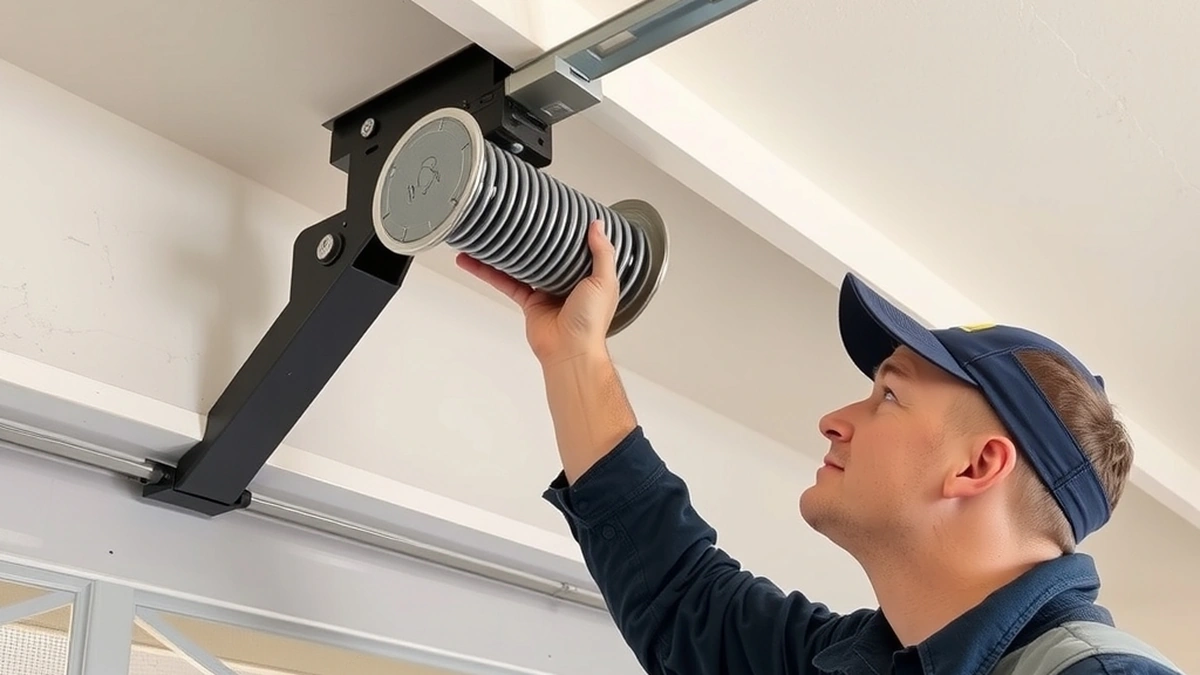
Belt-drive openers use a reinforced rubber belt instead of a metal chain to move the door. The belt runs along a rail and is driven by a motor mounted to the ceiling. Because the belt is under constant tension and flexes every time the door opens or closes, it wears down over time. Dust and debris on the rail increase friction, which makes the motor work harder and shortens belt life.
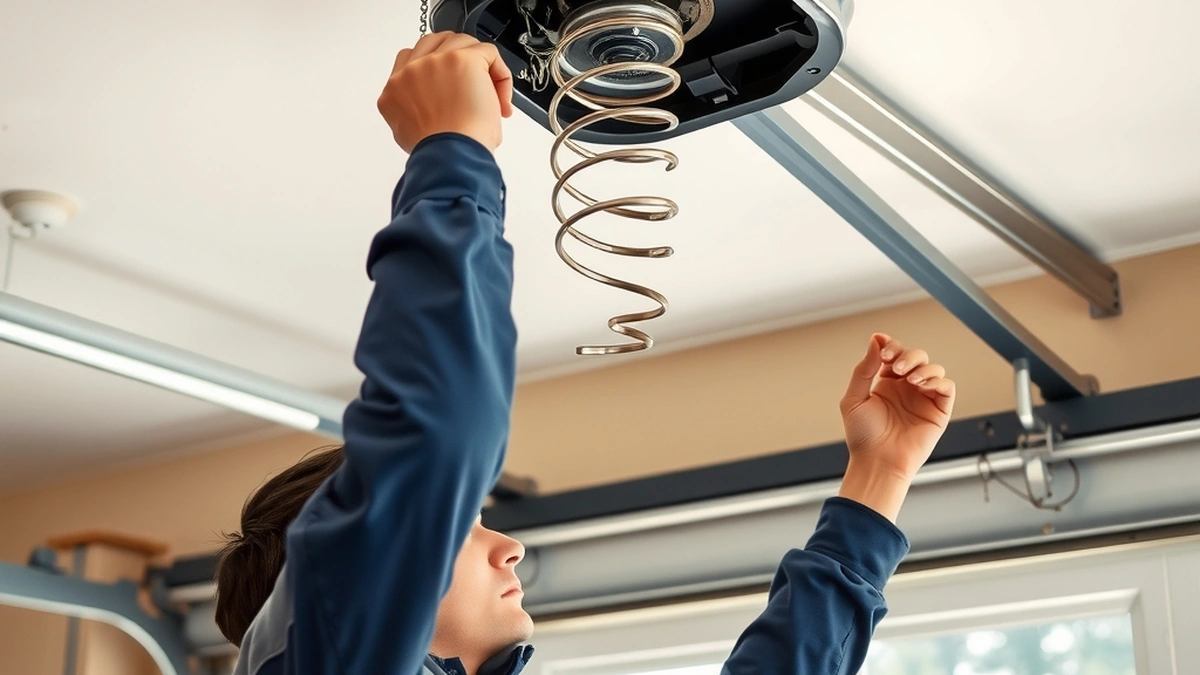
Unlike torsion springs and cables, a belt is not under enough tension to cause severe injury during a visual inspection. That does not mean all opener work is safe. Springs and cables remain dangerous and should only be handled by a qualified technician. If your maintenance check reveals a broken spring or frayed cable, stop and call a professional.
What to Inspect Every Six Months
A basic belt-drive opener maintenance check takes about 30 minutes and requires only common household tools.
- Disconnect power. Unplug the opener or turn off the circuit breaker before touching any moving parts.
- Look at the belt. Check for cracks, fraying, glazing, or missing teeth along the inner edge. A worn belt should be replaced.
- Check belt tension. With the door closed and the opener disengaged, lift the door by hand. It should move smoothly and stay put around waist height. If it sags or feels loose, the belt may need adjustment or replacement.
- Inspect the rail. Wipe away dust and debris. Look for dents, bends, or loose brackets where the rail attaches to the header and motor.
- Tighten hardware. Check the bolts and lag screws that secure the motor, rail, and wall button. Vibration can loosen them over time.
- Test safety sensors. Place a small object in the door’s path and close it. The door should reverse immediately when the beam is interrupted.
- Test auto-reverse. Place a 2x4 on the floor in the door’s path. The door should strike the wood and reverse within two seconds.
Lubrication and Cleaning Steps
Lubrication reduces friction on metal parts and helps the belt run quietly. Do not apply lubricant directly to the belt. Belt dressing or grease can cause the belt to slip or deteriorate.
Use a silicone-based garage door lubricant on the rail where the trolley travels. Apply a thin coat, then operate the door a few times to spread it. Wipe away excess so it does not collect dust. Lubricate the rail every six months, or sooner if the opener begins to squeak or groan.
Clean the photo-eye sensors with a soft, dry cloth. Dust on the lenses can prevent the beam from working and cause the door to reverse unexpectedly or refuse to close.
When to Replace the Belt
Replace the belt if you notice any of the following:
- Visible cracks or fraying along the belt surface
- A glazed or shiny appearance on the inner side
- The door jerks, slips, or hesitates during travel
- Unusual squealing that persists after rail lubrication
A belt replacement is a manageable job for many homeowners, but it requires following the manufacturer’s instructions exactly. If you are not comfortable working overhead or handling the door’s weight, hire a technician. Professional labor for belt replacement is typically an estimate of $100 to $300, depending on your location and opener model.
If the opener motor is also failing, replacing the entire unit may make more sense. New opener installation generally costs $300 to $800. For context, other common garage door repairs carry these estimated price ranges:
| Repair Type | Estimated Cost (USD) |
|---|---|
| Torsion spring replacement | $150–$400 |
| Cable repair | $150–$350 |
| Panel replacement | $200–$600 |
| New door installed | $800–$4,000 |
| Emergency call-out | $250–$500 |
These figures are estimates. Actual quotes vary by region, door size, and labor rates.
Safety First: Springs, Cables, and the Door Itself
Belt-drive maintenance is low-risk compared with spring work, but the garage door itself is heavy. A standard residential door can weigh 150 pounds or more. If a spring or cable fails while you are working near the door, it can fall with enough force to cause serious injury or death.
Never attempt to adjust or replace torsion springs, extension springs, or lifting cables yourself. These components are under extreme tension. If your maintenance inspection reveals a gap in a spring, a loose cable, or a door that will not stay open halfway, disconnect the opener and call a professional.
You can find more information about safe garage door practices through workplace safety resources such as OSHA and energy efficiency guidance from the U.S. Department of Energy.
Costs and DIY Versus Professional Help
Routine belt-drive opener maintenance costs almost nothing if you do it yourself. A can of silicone lubricant and a few rags typically cost under $20. The main investment is your time.
Professional service is worth it for anything beyond belt inspection, rail cleaning, and hardware tightening. A technician can test the opener’s force settings, check the motor capacitor, and verify that the door is balanced. If you need a new opener installed, expect to pay $300 to $800 for the unit and labor.
For homeowners weighing repair against replacement, our guide on garage door repair versus garage door opener can help you decide. If you are considering a full door project, see our overview of garage door repair installation. For general upkeep scheduling, our garage door repair maintenance page outlines seasonal tasks.
Monthly Safety Check Routine
Add these three tests to your monthly household safety checklist:
- Photo-eye test. Wave an object in front of one sensor while the door closes. The door should reverse.
- Auto-reverse test. Place a piece of wood on the floor. The door should hit it and go back up.
- Manual release test. Pull the emergency release cord. The door should move freely by hand and stay in place when lifted halfway.
If any of these tests fail, stop using the opener and schedule service. A malfunctioning safety system is not something to monitor; it is a reason to act.
Keeping Records and Knowing When to Call
Write down the date of each inspection, what you lubricated, and any parts you replaced. Note the opener model and manufacture date, which are usually on a sticker near the motor. This record helps a technician diagnose problems faster and can be useful if you ever file a warranty claim.
Call a professional if the opener makes grinding noises, the door moves unevenly, the belt shows damage, or any safety test fails. Also call if you suspect a spring or cable issue. Those repairs are not DIY jobs, and the cost of a service visit is far lower than the cost of an injury.
Regular belt-drive opener maintenance keeps your garage door quiet, reliable, and safe. Spend a few minutes every six months inspecting the belt and rail, test the safety features monthly, and leave springs and cables to the pros.
Next, compare how much does garage door repair cost, garage door repair installation, garage door repair repair before you commit.
Frequently asked questions
How often should I maintain a belt-drive opener?
Inspect the belt, rail, and hardware every six months and test the auto-reverse safety feature monthly.
Can I lubricate the belt itself?
No. Lubricate the rail and metal moving parts, but keep belt dressing or grease off the reinforced belt.
When should I replace the opener belt?
Replace it if you see fraying, cracking, glazing, or if the door slips or jerks during operation.
Is belt-drive opener maintenance dangerous?
Basic inspection and cleaning are safe, but springs and cables are under high tension and can cause serious injury.
What does professional opener installation cost?
Professional installation typically ranges from $300 to $800 depending on the model and labor.
Should I repair or replace a noisy belt-drive opener?
Replace worn belts and rollers first; if the motor is failing or the unit is old, a new installation may be more economical.
Sources
Some links are affiliate links.If you buy through them we may earn a commission at no extra cost to you. We do not accept payment for rankings. Read the full disclosure.