Common Belt-Drive Opener Problems and Fixes
Learn how to diagnose and fix common belt-drive opener problems, from noisy operation to door reversal, with safety-first guidance.
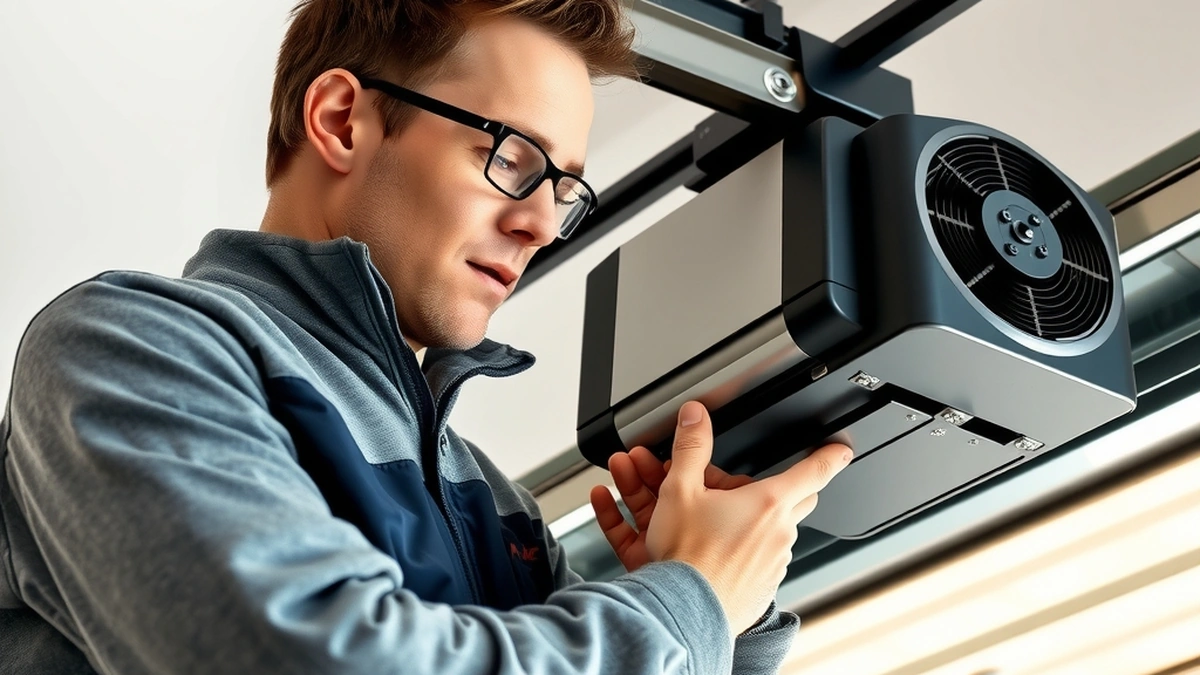
Most belt-drive opener problems come from worn belts, misaligned safety sensors, or loose hardware. Tighten hardware, realign sensors, and replace frayed belts to restore smooth operation.
- Common symptom
- Door won't close or reverses
- Typical fix
- Replace belt or realign sensors
- DIY risk
- Low for belts; high for springs
- Pro opener install
- $300–$800
Some links on this page are affiliate links.If you buy through them we may earn a commission at no extra cost to you. We do not accept payment for rankings. Read the full disclosure.
Belt-drive opener problems usually show up as noise, slow operation, or a door that will not close. Most issues trace back to a worn belt, loose hardware, or misaligned safety sensors. You can handle many of these repairs yourself, but springs and cables are under extreme tension and should only be serviced by a professional.
How a Belt-Drive Opener Works
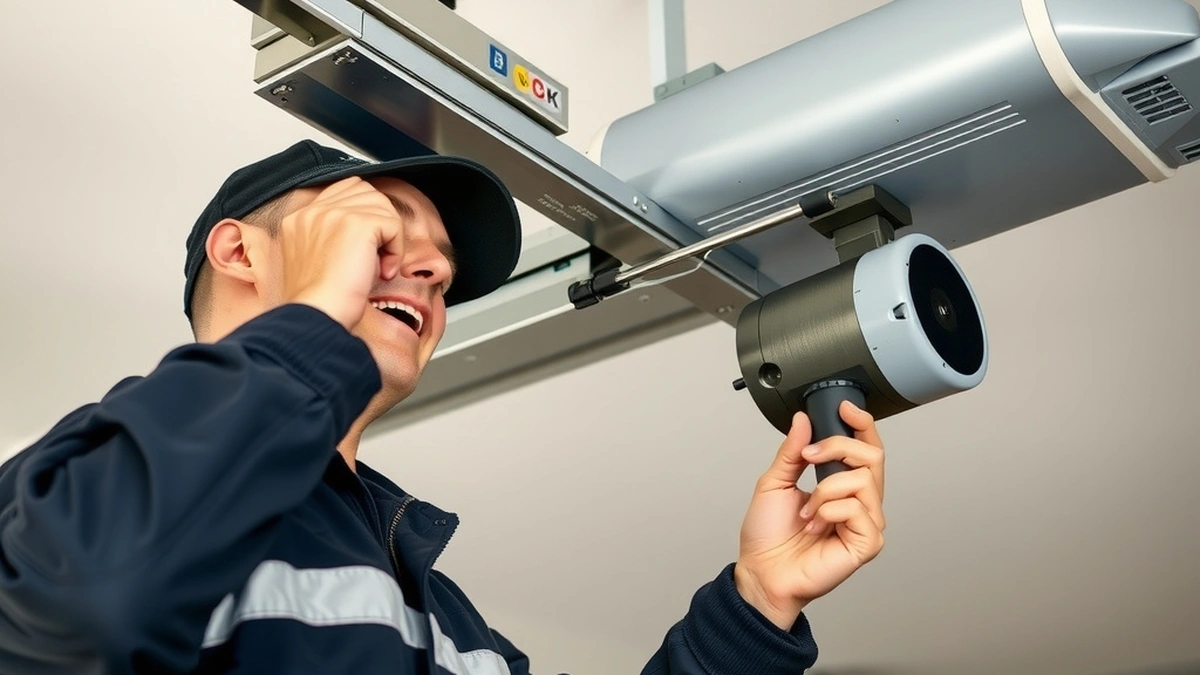
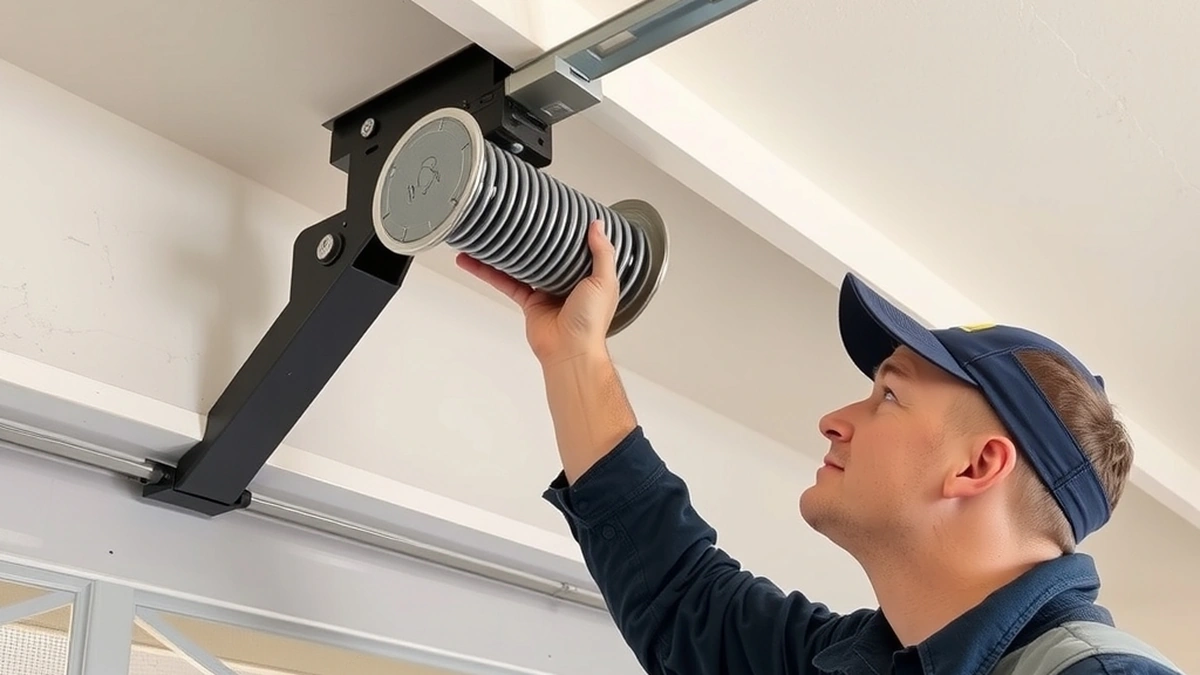
A belt-drive opener uses a rubber belt reinforced with fiberglass or steel cords to move the trolley along a rail. When the motor turns, the belt pulls the trolley, which lifts or lowers the garage door through the J-arm. Belt drives are quieter than chain drives because the belt dampens vibration, but they still wear out over time.
A standard single-car garage door weighs roughly 130 to 150 pounds, while a double-car door can weigh 200 pounds or more. The opener motor does not lift that weight alone; the door springs counterbalance most of it. If a spring is broken, the opener may strain, hum, or fail to move the door. Never attempt to repair or adjust torsion springs yourself. Torsion spring replacement typically costs between $150 and $400, and cable repair runs about $150 to $350. Those prices reflect the danger involved and the need for proper tools.
Common Belt-Drive Opener Problems
1. Noisy Operation
A belt-drive opener should run quietly. Squeaking, grinding, or rattling usually points to one of three causes:
- Dry or dirty rail and trolley
- Loose mounting hardware
- Worn or cracked belt
Lubricate the rail with a garage-door lubricant, not grease, which attracts grit. Tighten the bolts that secure the motor unit to the ceiling brackets and the rail to the header bracket. Inspect the belt for cracks, fraying, or missing teeth. If the belt is damaged, replace it before the opener loses synchronization with the door.
2. Door Reverses or Will Not Close
When a door reverses immediately after touching the floor, or refuses to close at all, the safety reversal system is usually the culprit. Federal safety standards require photo-eye sensors near the floor on both sides of the door. If the beam is blocked, misaligned, or dirty, the opener assumes an obstruction and reverses.
Clean the sensor lenses with a soft cloth. Check that the indicator lights on both sensors are steady, not flickering. Loosen the wing nuts and adjust the sensors until they face each other directly. Test the door by placing a 2-inch piece of wood on the floor; the door should reverse when it contacts the wood. If it does not, unplug the opener and call a technician.
3. Belt Slipping or Skipping
A belt that slips on the sprocket causes jerky movement or a door that stops partway open. This can happen if the belt is loose, stretched, or if the sprocket is worn. Refer to your opener manual for belt tension specifications. Over-tightening a belt can strain the motor bearings, while a loose belt will skip teeth.
If the belt shows glazing, cracks, or separated cords, replace it. A new belt is an inexpensive part, but labor varies if you hire a pro. Full opener installation typically runs between $300 and $800, though belt replacement alone costs less.
4. Opener Runs but Door Does Not Move
If you hear the motor running but the door stays put, the trolley may be in disconnect mode. Someone may have pulled the emergency release cord, which puts the opener in manual mode. Re-engage the trolley by sliding it toward the motor until it clicks, or operate the wall control to reset it.
If the trolley is engaged and the motor still runs without moving the door, the drive gear inside the motor unit may be stripped. Plastic gears wear out over time, especially if the door is heavy or the springs are weak. Replacing the gear requires opening the motor housing. If you are not comfortable working with electrical components, contact a repair service.
5. Remote or Wall Control Issues
Intermittent operation from the remote or wall switch often means weak batteries, signal interference, or loose wiring. Replace the remote battery first. If the wall control works but the remote does not, reprogram the remote according to the manufacturer instructions. If neither works, check that the opener is plugged in and that the circuit breaker has not tripped.
Inspect the wires connecting the wall control to the opener. Rodents can chew through low-voltage wires, and staples can pinch insulation over time. Damaged wires should be replaced, not taped.
Safety First: Springs and Cables
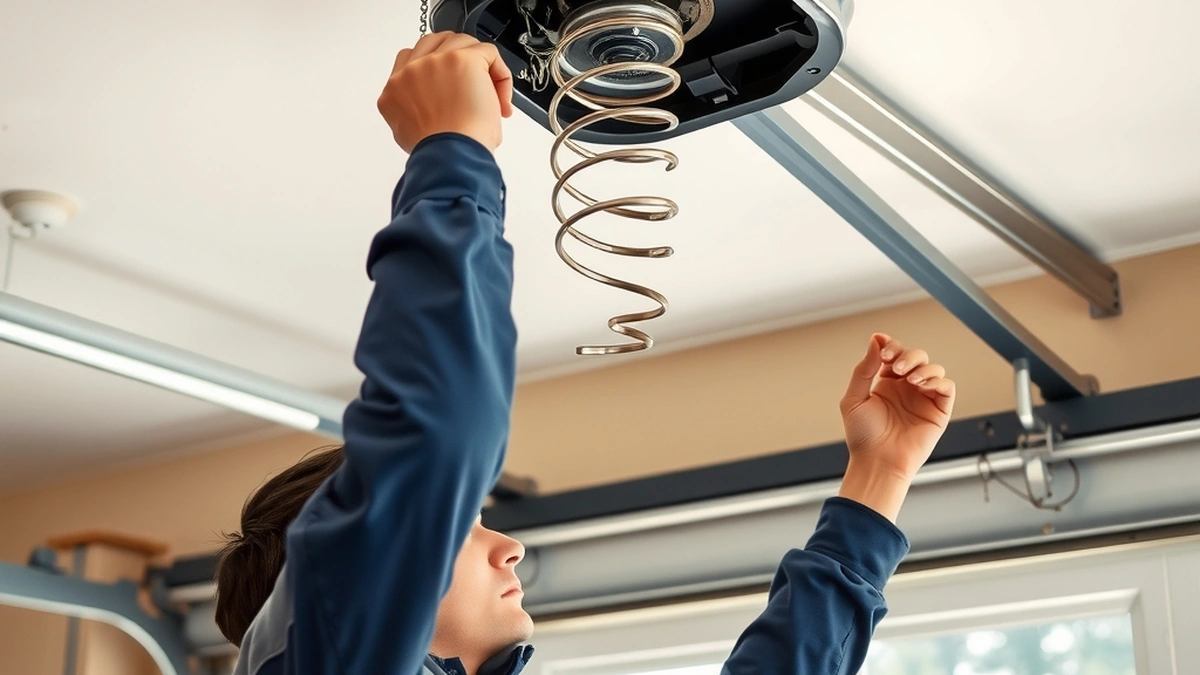
Belt-drive opener repairs are generally safe for homeowners, but garage door springs and cables are not. Torsion springs are mounted above the door and store enough energy to cause severe injury or death if they release unexpectedly. Extension springs run above the door tracks and are also under high tension.
If your door feels heavy when lifted manually, or if you see a gap in a torsion spring, stop and call a professional. Emergency call-out service typically costs between $250 and $500. Cable repair usually runs from $150 to $350. These are not guesses; they reflect standard trade pricing for high-risk components.
You can find more guidance on safe door operation and professional repair options at our garage door repair installation page, and our overview of repair costs explains how estimates break down.
When to Repair vs. Replace
Not every opener problem justifies a service call. Use this framework to decide:
| Symptom | Likely Cause | DIY Friendly? | Typical Action |
|---|---|---|---|
| Noisy belt | Dry rail or worn belt | Yes | Lubricate or replace belt |
| Door reverses | Misaligned sensors | Yes | Clean and align photo-eyes |
| Remote fails | Dead battery or signal | Yes | Replace battery or reprogram |
| Motor runs, door still | Stripped gear or disconnect | No | Replace gear or re-engage trolley |
| Door feels heavy | Broken spring | No | Call pro; do not touch springs |
If your opener is more than 10 to 15 years old and the motor, logic board, and gear are all failing, replacement may make more sense than repeated repairs. New opener installation runs between $300 and $800. A new door installed, if the door itself is also failing, costs between $800 and $4,000 depending on size, material, and insulation.
Panel replacement runs between $200 and $600 per panel, which can be worthwhile if only one section is damaged but the rest of the door is sound. If multiple panels, springs, and the opener all need work, a new door installed may be the more practical path.
Belt Replacement Basics
Replacing a drive belt is one of the more straightforward opener repairs. Unplug the opener and disengage the trolley using the emergency release cord. Remove the rail cover or access panel to expose the belt and sprocket. Loosen the belt tensioner, remove the old belt, and route the new belt around the motor pulley and trolley sprocket exactly as the old one ran.
Adjust tension according to the manual. A belt that deflects about half an inch under moderate finger pressure is often close to correct, but specifications vary by model. Reconnect the trolley, plug in the opener, and run a full open-close cycle. Listen for squeaks or skipping. If the door moves smoothly and quietly, the repair is complete.
If you prefer not to work on electrical equipment or heights, hiring a pro is the safer choice. Our DIY garage door repair guide outlines which tasks suit homeowners and which require a licensed technician.
Maintenance to Prevent Problems
Regular maintenance extends belt life and reduces opener strain. Every three to six months:
- Inspect the belt for cracks, fraying, or glazing
- Tighten all mounting bolts and rail brackets
- Lubricate the rail, rollers, and hinges with a silicone-based garage door lubricant
- Test the photo-eye sensors and the mechanical reversal feature
- Check the door balance by disconnecting the opener and lifting the door halfway; it should stay put
A door that drifts up or down when lifted manually has spring tension issues. That is a professional repair, not a DIY adjustment.
Our maintenance schedule covers seasonal checks that help you catch belt wear and hardware looseness before they cause a breakdown.
Cost Context for Opener Work
Repair pricing varies by region and urgency, but these ranges reflect typical U.S. market rates:
- Torsion spring replacement: $150–$400
- Cable repair: $150–$350
- Opener installation: $300–$800
- Panel replacement: $200–$600
- New door installed: $800–$4,000
- Emergency call-out: $250–$500
If you are comparing repair versus replacement, add the cost of a service call to the parts estimate. A belt and hardware might cost under $100, but labor can double or triple that total. Always ask for a written estimate before work begins.
Final Word
Belt-drive opener problems are usually mechanical and predictable: noise means wear or dryness, reversal means sensors, and silence means power or drive gear. Most belt and sensor issues are manageable for a careful homeowner, but springs and cables are off-limits. When in doubt, unplug the opener and call a qualified technician. Safety comes before price on every garage door repair.
Next, compare how much does garage door repair cost, garage door repair installation, garage door repair repair before you commit.
Frequently asked questions
Why does my belt-drive opener make noise?
Noise usually means a worn belt, loose hardware, or lack of lubrication on the rail and trolley. Tighten bolts and inspect the belt for cracks or fraying.
Can I replace a garage door belt myself?
Yes, replacing the drive belt is generally a DIY-friendly task if you unplug the opener and follow the manual. Never attempt to adjust torsion springs or cables yourself.
How much does professional opener installation cost?
Professional garage door opener installation typically runs between $300 and $800, depending on the model and labor rates in your area.
Why does my garage door reverse when closing?
Reversal is usually caused by misaligned safety photo-eye sensors or an object in the door's path. Clean and align the sensors, then test the door again.
Are belt-drive openers quieter than chain drives?
Belt-drive openers are generally quieter than chain-drive models because the belt absorbs more vibration. A loud belt often signals wear or misalignment.
When should I call a pro for opener problems?
Call a pro if the opener will not run after power checks, if the door is off its tracks, or if you suspect broken springs or cables. Those parts are under high tension and can cause serious injury.
Sources
Some links are affiliate links.If you buy through them we may earn a commission at no extra cost to you. We do not accept payment for rankings. Read the full disclosure.