Torsion Spring Maintenance: Safety and Cost Guide
Learn how to maintain garage door torsion springs safely, spot wear early, and understand repair costs before calling a professional.
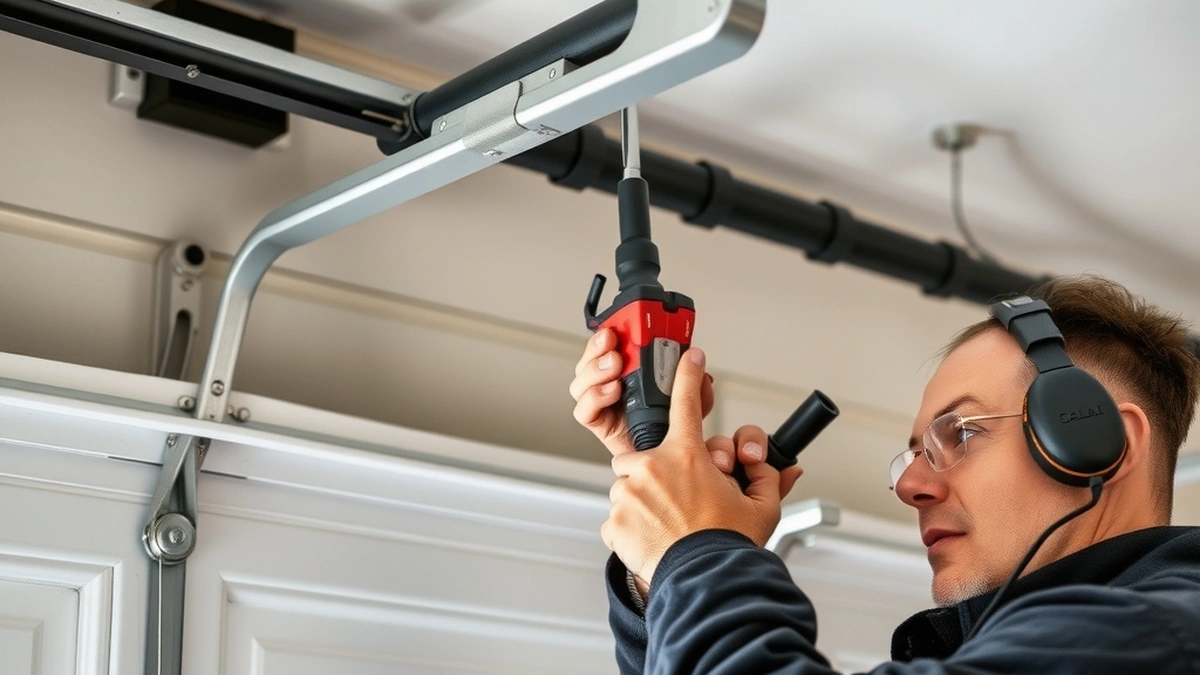
Inspect torsion springs every six months, lubricate the coils, and call a licensed technician for adjustments or replacement. Never work on a spring under tension.
- Recommended inspection frequency
- Every 6 months
- Typical spring lifespan
- 7-12 years or 10,000 cycles
- DIY adjustment risk
- High - spring is under extreme tension
- Professional replacement cost
- $150-$400
Some links on this page are affiliate links.If you buy through them we may earn a commission at no extra cost to you. We do not accept payment for rankings. Read the full disclosure.
Torsion spring maintenance keeps your garage door balanced, quiet, and safe. The spring sits above the door and carries the door’s full weight every time it opens or closes. Neglecting it can lead to a sudden break, property damage, or serious injury.
Why Torsion Spring Maintenance Matters
A torsion spring is a tightly wound coil of steel mounted on a metal shaft above the garage door. When the door closes, the spring winds up and stores energy. When the door opens, that energy unwinds to help lift the door. Because the spring is under constant tension, it is one of the most dangerous components in a residential garage system.
If a spring snaps while the door is moving, the door can fall with little warning. A standard single-car door might weigh 150 pounds, while a double-car door can exceed 300 pounds. The spring is doing the work of holding that weight. Maintenance does not mean adjusting the spring yourself. It means inspecting, lubricating, and knowing when to call a professional.
Recommended Inspection Schedule
Inspect your torsion springs at least every six months. A good routine is to check them in the spring and fall, before extreme temperature changes affect the metal and lubricant.
During an inspection, look for:
- Gaps in the coils, which indicate a broken spring
- Rust or corrosion on the shaft and spring body
- Loose mounting brackets or set screws
- Unusual squeaking, grinding, or popping noises during operation
- A door that feels heavier than usual when lifted manually
If you notice any of these signs, stop using the door and contact a qualified technician. Do not attempt to tighten, loosen, or remove the spring. The stored tension can cause severe injury or death.
Lubrication Is the Only DIY-Safe Task
Lubricating the torsion spring is the only maintenance task most homeowners should perform themselves. Use a silicone-based lubricant or a product specifically labeled for garage door springs. Apply a light coat to the coils every six months. Wipe away excess drips so the lubricant does not collect dust or debris.
Never use WD-40 as a long-term lubricant. It is a solvent and degreaser, not a protective lubricant, and it can strip existing grease from the coils.
Adjusting spring tension, replacing cables, or removing the spring requires specialized tools and training. If you are not a certified garage door technician, leave those tasks to a professional. You can review general repair pricing at our garage door repair cost guide to understand what a service visit typically involves.
Understanding Door Weight and Spring Load
Torsion springs are sized to match the weight of your door. This is not guesswork; it is calculated based on door height, width, material, and insulation.
For example, if a double-car steel door weighs 250 pounds, the spring must be rated to counterbalance that load. If a technician installs a spring rated for a 150-pound door, the opener and the spring will strain under the extra 100-pound difference. Over time, that mismatch accelerates wear and shortens spring life.
Here is a simplified illustration of how load affects components:
| Door Weight | Estimated Spring Load | Typical Lifespan (cycles) |
|---|---|---|
| 150 pounds | 150 pounds | 10,000 |
| 250 pounds | 250 pounds | 10,000 |
| 350 pounds | 350 pounds | 10,000 |
Cycle life depends on usage, not just weight. A door opened four times per day completes about 1,460 cycles per year. At that rate, a 10,000-cycle spring lasts roughly seven years. A door used twice daily might reach 10,000 cycles in about 14 years.
Warning Signs That Require Immediate Service
Some symptoms mean the spring is near failure. Call a technician right away if you observe:
- A visible gap in the spring coil
- The door opens only a few inches before stopping
- The door slams shut when released from the opener
- The door appears crooked or uneven during travel
- Loud banging or snapping sounds during operation
A broken spring can also damage the opener, tracks, and panels. Replacing a spring promptly is usually cheaper than repairing collateral damage. For context, torsion spring replacement typically costs $150 to $400. Cable repair runs $150 to $350. If the door falls and damages panels, panel replacement can cost $200 to $600 per panel. A new door installed can range from $800 to $4,000.
What to Expect From a Professional Service Call
When a technician arrives for torsion spring service, they will typically:
- Disconnect the opener and secure the door in the open position
- Release spring tension using winding bars and proper safety equipment
- Remove the old spring and inspect the shaft, bearings, and cables
- Install a correctly rated spring for your door’s weight
- Rebalance the door and test manual and automatic operation
- Lubricate moving parts and provide a maintenance recommendation
Most residential torsion spring replacements are completed within one to two hours. Labor rates and parts vary by region, so always request a written estimate before work begins. If you need help finding a qualified provider, our repair and installation directory can help you compare local options.
Costs and When to Replace Instead of Repair
Torsion springs are generally replaced, not repaired. Once a spring is broken or fatigued, rewinding or reusing it is unsafe. The standard replacement range is $150 to $400 for parts and labor.
If your door also needs cable repair, budget an additional $150 to $350. Emergency call-out service, if you need same-day help after a break, typically costs $250 to $500. These figures are estimates and vary by location and door size.
Consider the age of the entire door system when deciding between repair and replacement. If the door is more than 20 years old, has multiple damaged panels, or the opener is nearing the end of its life, a new door installed at $800 to $4,000 may be more cost-effective than repeated repairs. You can explore replacement considerations in our repair versus replacement guide.
Safety Rules to Remember
Torsion springs store enough energy to cause serious injury. Follow these rules at all times:
- Never stand directly under a garage door while it is opening or closing.
- Do not attempt to adjust, remove, or replace a torsion spring yourself.
- Keep children and pets away from the door and its moving parts.
- Test the auto-reverse feature monthly by placing a 2x4 on the floor in the door’s path.
- If the door feels unbalanced, disconnect the opener and call a technician.
If you are considering any hands-on work beyond lubrication, read our DIY safety overview first. It outlines which tasks are appropriate for homeowners and which require a licensed professional.
Regular torsion spring maintenance is simple: inspect every six months, lubricate the coils, and call a pro for anything beyond surface care. That routine can extend spring life, protect your door and opener, and most importantly, keep everyone in your household safe.
Frequently asked questions
How often should I inspect torsion springs?
Inspect torsion springs at least twice a year, ideally before winter and summer, to catch rust, gaps, or coil wear before a failure occurs.
Can I lubricate torsion springs myself?
Yes. Apply a silicone-based or garage door lubricant to the coils every six months, but never attempt to tighten or loosen the spring yourself.
What does a broken torsion spring sound like?
A broken spring often makes a loud bang or snap, similar to a firecracker, because the coiled metal releases stored tension all at once.
How long do torsion springs last?
Most residential torsion springs are rated for about 10,000 cycles, which typically translates to 7-12 years depending on daily usage.
Is it safe to open the door with a broken spring?
No. A broken spring removes the counterbalance, making the door extremely heavy and likely to crash down if the opener fails or the door slips.
How much does professional torsion spring replacement cost?
Professional torsion spring replacement typically ranges from $150 to $400, depending on spring size, door weight, and local labor rates.
Sources
Some links are affiliate links.If you buy through them we may earn a commission at no extra cost to you. We do not accept payment for rankings. Read the full disclosure.