Snapped Cable: Warning Signs Your Garage Door Needs Repair
Learn the warning signs of a snapped garage door cable and why you should call a pro before the door falls.
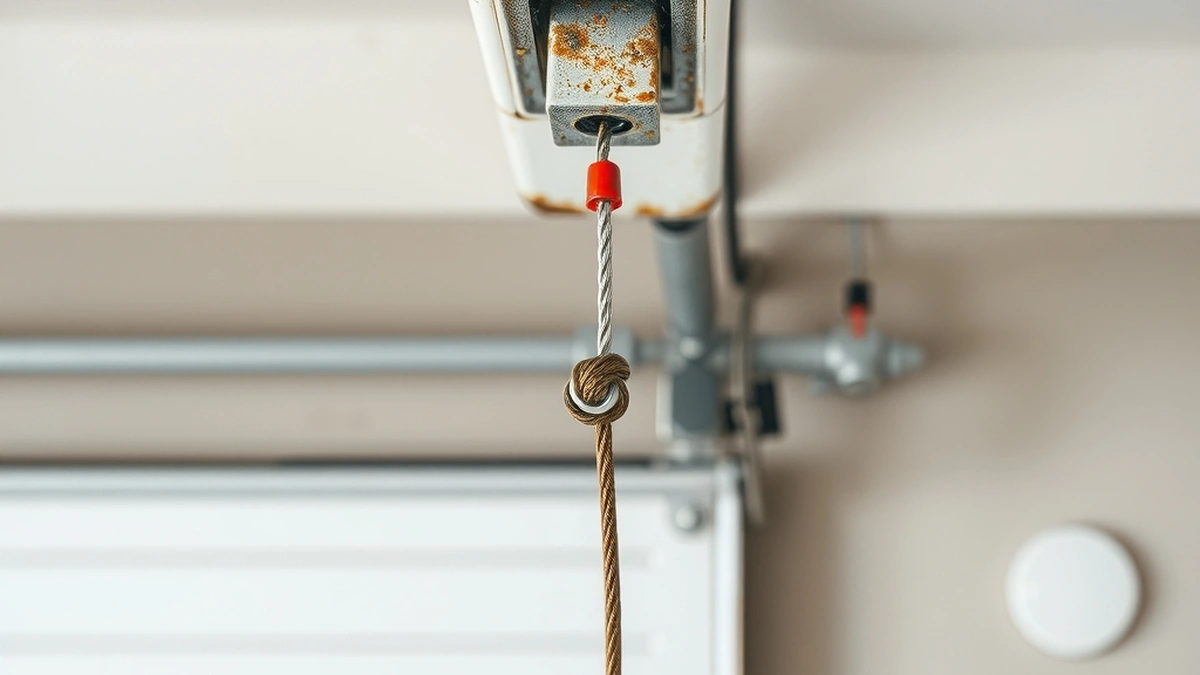
A snapped cable means your garage door is unsafe to operate. Stop using it immediately and call a qualified technician for cable repair.
- Typical cable repair cost
- $150-$350
- Emergency call-out
- $250-$500
- Danger level
- High - springs and cables under tension
Some links on this page are affiliate links.If you buy through them we may earn a commission at no extra cost to you. We do not accept payment for rankings. Read the full disclosure.
A snapped garage door cable is a serious safety issue. If a cable breaks, the door can become unbalanced and fall without warning. Stop using the door immediately and contact a qualified repair technician.
Garage door cables work under constant tension, supporting hundreds of pounds of door weight every time the door opens or closes. A single worn strand can fail without much notice, which is why recognizing the early warning signs matters. This guide explains what to look for, what the risks are, and what to expect when you call for service.
What a Garage Door Cable Does
Most residential garage doors use either torsion springs or extension springs, and both systems rely on steel lifting cables to control the door’s movement. The cables attach to the bottom corners of the door and wind around drums or connect to spring assemblies. Their job is to keep the door level and carry a large share of the load.
A standard single-car door might weigh 100 to 150 pounds. A double-car door often weighs 200 to 300 pounds or more. If one cable snaps, the remaining cable must carry the full weight on that side. That imbalance puts extreme stress on the opener, tracks, panels, and springs.
Because springs and cables store dangerous energy, cable work is not a DIY task. The DIY garage door repair page explains why homeowners should leave tensioned components to professionals.
Warning Signs of a Snapped or Failing Cable
Cables rarely snap without showing some warning first. Knowing what to look for can help you catch the problem before the door becomes a hazard.
Fraying or Visible Wear
Inspect the cables along the sides of the door. Look for broken strands, rust, or a fuzzy texture. A cable that looks like unraveling rope is near the end of its life. Even if it has not snapped yet, frayed cable can fail at any moment.
Door Hangs Crooked
If the door appears uneven when opening or closing, one side may be carrying more weight because the cable on that side is loose or broken. A crooked door puts uneven pressure on the tracks and rollers, which can bend the track or damage the panels.
Slack or Loose Cable
A healthy cable stays taut. If you see slack hanging near the bottom bracket or the cable has jumped off the drum, it has likely lost tension or snapped. Do not attempt to tuck it back in or adjust it yourself.
Loud Bang or Snap Noise
A broken cable under tension can make a loud popping or banging sound. If you hear this while the door is moving, stop using it immediately. The door may still be partially supported by the springs, but it is unstable.
Door Won’t Stay Open or Closes Too Fast
If the door drifts down when you try to hold it open, or if it slams shut faster than normal, the counterbalance system is compromised. A snapped cable means the springs are doing all the work, and they may not be rated to hold the door safely alone.
Door Is Off the Tracks
In severe cases, a snapped cable allows the door to shift sideways and come off the track. This is an emergency situation. The door could fall completely, and attempting to lift it manually can cause serious injury.
Why You Should Not Operate the Door
Using a garage door with a snapped cable is dangerous. The door can drop without warning, potentially striking a person, pet, or vehicle underneath. It can also damage the opener by forcing it to lift an unbalanced load.
If the door is stuck open, do not try to pull it down by hand. If it is stuck closed, do not force the opener to run. Disconnect the opener if it is safe to do so, keep people and vehicles away from the door, and call for emergency service.
What Repair Typically Involves
A technician will inspect the cables, drums, springs, and bottom brackets. In most cases, both cables are replaced at the same time, even if only one snapped. Replacing only one cable can leave the door unbalanced because the new cable has no stretch while the old one has worn to its length.
Cable repair typically costs between $150 and $350. If the technician also finds worn springs, torsion spring replacement usually runs $150 to $400. An emergency call-out may add $250 to $500, depending on the time and location.
Here is an example of how costs can add up:
| Service | Estimated Cost |
|---|---|
| Cable repair (one door) | $150-$350 |
| Torsion spring replacement | $150-$400 |
| Emergency call-out | $250-$500 |
| Total potential visit | $550-$1,250 |
These figures are estimates. Actual prices vary by door size, hardware type, and regional labor rates. For broader pricing context, see the garage door repair cost guide.
How Cables Relate to Other Door Components
Cables do not work alone. They are part of a system that includes springs, rollers, tracks, and the opener. When a cable snaps, other parts often take the hit.
The opener may strain trying to lift a door it was not designed to balance alone. Opener installation or replacement typically costs $300 to $800 if the unit is damaged beyond repair. Panels can dent or crack if the door falls unevenly, with panel replacement running $200 to $600 per panel. In extreme cases, repeated neglect can lead to full door replacement, which typically costs $800 to $4,000 installed.
Regular maintenance helps extend the life of every component. The garage door repair maintenance page outlines what a professional inspection covers and how often to schedule it.
When to Call a Professional
You should call a technician if you notice any of the following:
- Frayed, rusted, or broken cable strands
- A door that opens unevenly or hangs crooked
- Slack cable or cable off the drum
- Loud snapping or banging noises during operation
- A door that will not stay open or closes too quickly
- Any door that has come off its tracks
Do not attempt to reset springs, rewind cables, or adjust bottom brackets. These components are under enough tension to cause severe injury or death. The garage door repair installation page explains what professional service includes and how to vet a qualified technician.
Prevention and Regular Inspection
Cables wear out from normal use, moisture, and lack of lubrication. Inspect your door and cables every few months. Look for rust, fraying, or loose hardware. Listen for unusual noises during operation.
Schedule professional maintenance at least once a year. A technician can spot early wear before a cable snaps, which is usually cheaper than emergency repair. If you are comparing service providers, the best garage door repair page offers guidance on what to look for in a local company.
A snapped cable is not a minor inconvenience. It is a sign that your door is unsafe to operate. Treat it as a priority, keep clear of the door, and call a professional for repair.
Frequently asked questions
What does a snapped cable look like?
A snapped cable often appears frayed, loose, or completely detached from the drum or bottom bracket. You may see the door hang crooked or sit lower on one side.
Can I open the door with a snapped cable?
No. Operating the door with a snapped cable can cause the door to fall or slam shut, creating a serious injury risk and damaging the opener or panels.
How much does garage door cable repair cost?
Cable repair typically runs between $150 and $350, depending on door size, cable type, and whether both cables need replacement.
Is a snapped cable an emergency?
Yes. A door with a broken cable is unbalanced and can drop without warning. Treat it as an emergency and avoid using the door until it is repaired.
Can I replace a garage door cable myself?
No. Garage door cables work with springs under high tension. Replacing them without proper tools and training can cause severe injury or death.
How often should I inspect garage door cables?
Inspect cables every few months for fraying, rust, or wear. Schedule professional maintenance at least once a year to catch problems early.
Sources
Some links are affiliate links.If you buy through them we may earn a commission at no extra cost to you. We do not accept payment for rankings. Read the full disclosure.