Sectional Door Installation: A Complete Guide
Learn how sectional door installation works, what it costs, and when to call a pro for safety-critical spring and cable work.
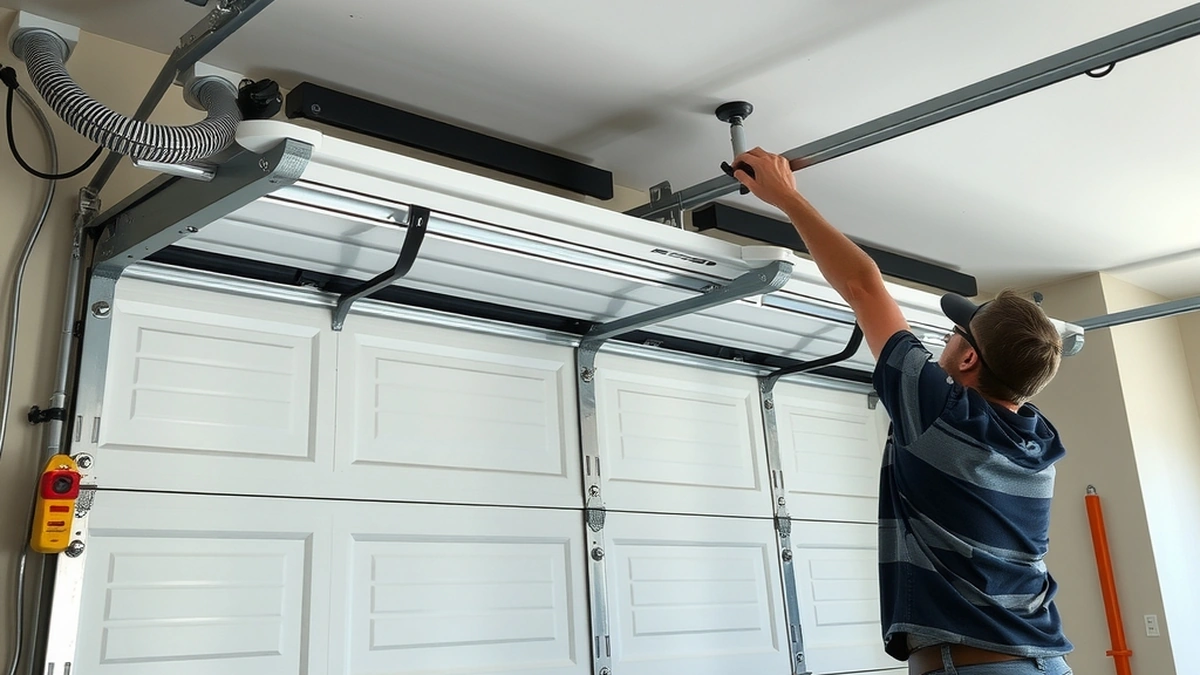
Sectional door installation means hanging horizontal panels in tracks, balancing the door with springs, and testing safety hardware before regular use.
- Typical installed cost
- $800–$4,000
- DIY difficulty
- High (springs and cables are dangerous)
- Standard residential width
- 8–10 feet
- Standard residential height
- 7–8 feet
Some links on this page are affiliate links.If you buy through them we may earn a commission at no extra cost to you. We do not accept payment for rankings. Read the full disclosure.
Sectional door installation is the process of fitting horizontal garage door panels into vertical and curved tracks, balancing the door with springs, and verifying that safety hardware works before regular use. A standard residential sectional door is typically 8 to 10 feet wide for a single car or 16 to 18 feet wide for two cars, with heights of 7 to 8 feet. Because torsion springs and cables store dangerous tension, price should never outweigh safety during installation.
What a Sectional Door Is
Sectional doors differ from older one-piece swing-up doors because they move in sections. Each panel connects to the next with hinges, and rollers ride inside steel tracks mounted to the jambs and ceiling. When the door opens, panels curve upward and rest horizontally near the garage ceiling, leaving the driveway clear.
Common residential materials include steel, aluminum, wood composite, and insulated steel. Insulated doors carry an R-value rating that affects garage temperature and energy loss. Door weight varies widely: an uninsulated single-car steel door might weigh 80 to 120 pounds, while an insulated double-car door can exceed 250 pounds. That weight determines the spring size and track gauge required.
Installation Steps in Order
A professional sectional door installation follows a set sequence. Skipping a step or reversing the order can leave the door unbalanced or unsafe.
- Measure the opening, headroom, and side room to confirm the door and track system fit.
- Install the bottom panel first, leveling it across the opening and securing the hinges.
- Stack remaining panels upward, attaching hinges and rollers at each section.
- Mount vertical tracks to the jambs, then install curved and horizontal tracks toward the ceiling.
- Attach the spring assembly—torsion springs above the door or extension springs beside the tracks.
- Route lifting cables from the bottom brackets to the spring drums or pulleys.
- Install the opener bracket and arm if an opener is part of the job.
- Balance the door by hand and test auto-reverse safety features.
Measurements matter. A 7-foot-high door needs roughly 12 inches of headroom for standard torsion spring hardware, and each side of the opening typically requires 3.5 to 4 inches of side room for tracks. If headroom is short, a low-headroom track kit changes the geometry but adds cost.
Springs and Cables: The Safety Warning
Torsion springs are mounted above the door on a metal shaft. When the door is closed, the springs are wound tight. When the door opens, they unwind to help lift the door’s weight. A standard 16-by-7-foot insulated door might weigh 220 pounds. If two torsion springs each handle half the load, each spring manages roughly 110 pounds of force at the drum.
That force is not trivial. A broken spring can launch metal fragments across the garage, and a slipping winding bar can cause serious injury. Extension springs run alongside the horizontal tracks and also remain under tension even when the door is open. Safety cables should pass through extension springs so that if a spring breaks, the cable contains it.
Garage Door Lab does not recommend that homeowners adjust or replace torsion springs without proper tools and training. If your installation includes new springs, hire a qualified technician. Related repair pricing for context: torsion spring replacement typically runs $150 to $400, and cable repair typically runs $150 to $350. These figures are estimates and vary by region and door size.
Costs and Price Estimates
A full sectional door installation includes the door, hardware, labor, and disposal of the old door if applicable. Installed prices generally fall between $800 and $4,000. The spread depends on door size, material, insulation level, window options, and local labor rates.
Here is how the arithmetic can break down for a mid-range example:
- Single-car non-insulated steel door, hardware, and labor: approximately $800 to $1,500.
- Double-car insulated steel door with windows: approximately $1,500 to $2,800.
- Custom wood or carriage-house style door: approximately $2,500 to $4,000 or more.
Add-ons are priced separately. Opener installation usually costs $300 to $800. Panel replacement on an existing door runs $200 to $600 per panel. Emergency call-out service typically costs $250 to $500. These are estimates, not quotes, and actual prices depend on your market and the specific door model.
If you are comparing repair versus replacement on an older door, review our repair cost guide at /garage-door-repair-cost-per-square-foot/ and our general cost overview at /how-much-does-garage-door-repair-cost/.
Tools and Hardware Checklist
Installers use standard hand tools plus a few door-specific items. A basic list includes:
- Cordless drill and socket set
- Level and tape measure
- Locking pliers and C-clamps
- Step ladder tall enough for header and spring work
- Winding bars sized for the torsion spring cone (never use screwdrivers)
- Lifting cables and bottom brackets matched to door weight
- Track brackets, hinges, and rollers rated for the door’s pounds
Hardware must match the door’s weight and size. Using undersized rollers or track brackets on a heavy insulated door can lead to track separation or roller failure. If you are reusing an existing track system with a new door, confirm the track gauge and radius match the new door’s specifications.
DIY vs Professional Installation
Hanging panels and bolting track is within reach for an experienced DIYer with a helper, but spring and cable work crosses into high-risk territory. A misinstalled cable can slip off the drum, causing the door to fall. An improperly wound torsion spring can release suddenly during adjustment.
Consider professional installation if:
- The job includes torsion springs or extension springs.
- You lack a second person to hold panels level during stacking.
- The opening is non-standard or requires custom framing.
- You want a warranty on labor and hardware.
DIY installation can save on labor, but a mistake on a 200-pound door is expensive and dangerous. For more on where to draw the line, see our article on DIY garage door repair at /diy-garage-door-repair/ and our comparison of repair versus opener work at /garage-door-repair-vs-garage-door-opener/.
Maintenance After Installation
Once the sectional door is installed, a short maintenance routine helps it last. Operate the door by hand with the opener disconnected; it should stay put when raised halfway and move smoothly without jerking. Lubricate rollers, hinges, and springs every six months with a garage door lubricant, not WD-40. Check that the auto-reverse function triggers when a 2x4 board is placed flat on the floor in the door’s path.
Inspect cables for fraying near the bottom brackets. If you see broken strands, stop using the door and call a service technician. Cable repair typically costs $150 to $350, while ignoring a worn cable can lead to a door collapse and far greater damage.
For ongoing care, our maintenance guide at /garage-door-repair-maintenance/ covers seasonal checklists and warning signs. If you are evaluating whether to fix an older door or install a new one, our repair-versus-replacement overview at /garage-door-repair-installation/ can help you compare options.
Final Checklist Before First Use
Before operating a newly installed sectional door daily, confirm the following:
- All panels are latched and hinges are secured.
- Rollers are seated inside the track along the full travel path.
- Springs are balanced so the door remains stationary when lifted halfway.
- Cables are taut and properly wound on drums or pulleys.
- Opener force and auto-reverse settings pass safety tests.
- Remote controls and wall buttons operate the door without binding.
A sectional door is one of the largest moving objects in a home. Installation done correctly means years of reliable operation; installation done poorly means a safety hazard every time the door moves. When in doubt about springs, cables, or balance, pay for a professional visit rather than risking injury or property damage.
Next, compare how much does garage door repair cost, garage door repair installation, garage door repair repair before you commit.
Frequently asked questions
What is a sectional garage door?
A sectional door uses horizontal panels connected by hinges that roll up along vertical and curved tracks into the ceiling space above the opening.
Can I install a sectional door myself?
You can hang panels and tracks, but torsion spring and cable tensioning is dangerous and should be handled by a qualified technician.
How long does installation take?
A professional crew typically completes a standard sectional door installation in two to four hours, depending on door size and opener work.
What sizes are common for homes?
Single-car doors are usually 8 to 10 feet wide by 7 to 8 feet high; double-car doors are typically 16 to 18 feet wide by 7 to 8 feet high.
How much does a new sectional door cost installed?
Installed prices generally range from $800 to $4,000 depending on door size, material, insulation, and whether an opener is included.
Do I need an opener with a new sectional door?
No, but most homeowners add one; opener installation usually costs $300 to $800 separate from the door itself.
Sources
Some links are affiliate links.If you buy through them we may earn a commission at no extra cost to you. We do not accept payment for rankings. Read the full disclosure.