Common Chain-Drive Opener Problems Explained
Diagnose and fix noisy, slow, or stuck chain-drive garage door openers. Safety tips and repair cost estimates included.
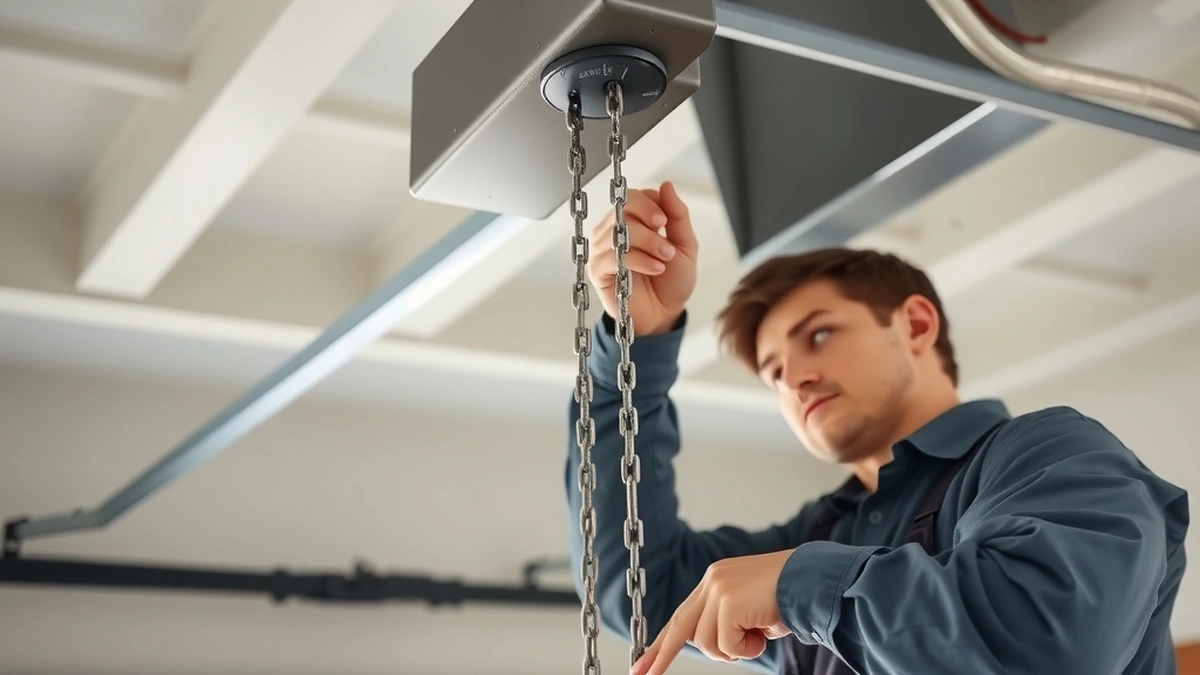
Most chain-drive opener problems come from a loose chain, misaligned safety sensors, or worn sprockets. Tighten the chain to about 1/2 inch of slack and check sensor alignment before calling a pro.
- Common symptom
- Noisy operation, door won't open or close
- DIY risk
- Low for chain tension; high for springs and cables
- Typical repair cost
- $100–$300 (parts and labor estimate)
- Full opener replacement
- $300–$800 installed
Some links on this page are affiliate links.If you buy through them we may earn a commission at no extra cost to you. We do not accept payment for rankings. Read the full disclosure.
Chain-drive opener problems usually show up as loud grinding, a door that will not open or close, or a chain that slips on the sprocket. Most of these issues trace back to chain tension, sensor alignment, or worn drive components. You can handle basic chain adjustment and lubrication yourself, but springs and cables stay off-limits because they store dangerous energy.
What a Chain-Drive Opener Does
A chain-drive opener uses a metal chain running inside a rail to pull a trolley connected to your garage door. When the motor turns, the chain moves the trolley, which lifts or lowers the door. Chain drives are common because they are durable and typically cost less to install than belt-drive models. The trade-off is noise: metal rollers on metal chain create more sound than rubber belts.
The chain runs over a sprocket driven by the opener motor. Safety sensors near the floor stop the door if something breaks the beam. If any part of this chain, sprocket, motor, or sensor system fails, the door will not operate correctly.
Common Symptoms and Causes
Noisy operation is the most frequent complaint. A chain that is too loose slaps against the rail. A chain that is too tight strains the motor and bearings. Lack of lubrication makes metal parts squeal. Worn sprockets or a stretched chain can produce grinding or clicking.
When the door will not open or close, check the power source first. Then look at the safety sensors. If the sensor lights are blinking or off, the opener will not run. Misaligned sensors, dirty lenses, or sunlight hitting the receiver can all interrupt the beam.
A door that reverses immediately after touching the floor usually means the close-force setting is too high or the sensors are out of alignment. A door that opens only partway often indicates a broken chain link or a stripped sprocket gear.
DIY Checks You Can Do
Start by unplugging the opener. Never work on the drive system while it is plugged in.
- Inspect the chain. Look for rust, broken links, or excessive sag.
- Measure chain slack. Press down on the chain midway between the motor and the door. Many residential openers call for about 1/2 inch of movement, but verify with your manual.
- Lubricate the chain. Use a garage door lubricant, not WD-40. Wipe off excess so it does not drip on the door or driveway.
- Check the sensors. Clean the lenses with a soft cloth. Make sure both indicator lights are steady. Adjust the mounting brackets if one light is off or flickering.
- Test the door balance. Disconnect the opener and lift the door halfway by hand. It should stay put. If it falls or rises, the springs need professional attention.
If the chain is loose, tighten the turnbuckle or adjustment nut in small increments. Over-tightening can snap the chain or damage the motor shaft. If you are not comfortable with these steps, call a technician.
Safety Warnings
Springs and cables are under high tension. A torsion spring can cause serious injury or death if it unwinds unexpectedly. Never attempt to adjust, remove, or replace torsion springs or lift cables yourself. If you see a frayed cable, a gap in a spring, or a door that slams shut, stop and call a professional.
Disconnect power before touching the chain, sprocket, or motor. Keep fingers and clothing away from moving parts. If the door is stuck open, do not stand underneath it while working.
Repair Cost Estimates
Chain-drive opener repairs are usually less expensive than full door replacements, but costs vary by region and labor rates. The following figures are estimates, not quotes.
| Item | Estimated Cost (USD) |
|---|---|
| Chain adjustment and lubrication | $100–$200 |
| Sensor alignment or replacement | $100–$250 |
| Chain or sprocket replacement | $150–$350 |
| Full opener installation | $300–$800 |
| Emergency call-out | $250–$500 |
Here is an example of how labor and parts add up. A technician charges a $125 service call plus $75 for one hour of labor. A replacement chain costs $40. Total: $125 + $75 + $40 = $240. If the motor is also failing, replacement often makes more sense than repair.
For context, other garage door work carries different price ranges. Torsion spring replacement typically runs $150–$400. Cable repair usually costs $150–$350. Panel replacement ranges from $200–$600. A new door installed can cost $800–$4,000. These are broad estimates; actual prices depend on door size, materials, and local labor rates.
When to Replace Instead of Repair
Replace the opener if the motor is grinding, the unit is more than 10 to 15 years old, or repair costs approach half the price of a new installation. A new chain-drive opener installed usually falls within the $300–$800 range. Newer models offer quieter operation, battery backup, and smartphone connectivity.
If your door itself is damaged, replacing only the opener will not fix bent panels or broken springs. Compare the cost of repeated opener repairs against a full system upgrade. For help weighing repair versus replacement, see our guide on garage door repair vs garage door opener.
Maintenance Schedule
Lubricate the chain every six months. Check sensor alignment monthly by waving an object in front of the beam while the door closes. Test the auto-reverse feature by placing a 2x4 on the floor; the door should reverse when it hits the wood. Tighten loose hardware annually.
Regular maintenance extends the life of the opener and reduces the chance of sudden failure. If you prefer professional upkeep, our garage door repair maintenance page covers seasonal checklists and service intervals.
Chain-drive opener problems are usually manageable with basic tools and caution, but never compromise on safety around springs and cables. When in doubt, contact a qualified garage door technician.
Next, compare how much does garage door repair cost, garage door repair installation, garage door repair repair before you commit.
Frequently asked questions
Why is my chain-drive opener so loud?
Metal-on-metal contact, a loose chain, or lack of lubrication usually causes the noise. Lubricate the chain and tighten it to the manufacturer's specification.
Can I tighten the opener chain myself?
Yes, if you unplug the opener first and follow the manual. Leave spring and cable work to a professional because those parts are under high tension.
How much slack should a garage door chain have?
About 1/2 inch of slack is typical for many residential chain-drive openers, but check your owner's manual for the exact measurement.
Will a bad chain damage the door?
A loose or broken chain can jerk the door and strain the opener motor. Fix chain issues promptly to avoid more expensive repairs.
How long does a chain-drive opener last?
With regular maintenance, many chain-drive openers last 10 to 15 years. Heavy use and poor lubrication shorten that lifespan.
Should I repair or replace a noisy chain-drive opener?
Repair if the unit is under 10 years old and the issue is minor. Replace if the motor is failing or repair costs approach half the price of a new installation.
Sources
Some links are affiliate links.If you buy through them we may earn a commission at no extra cost to you. We do not accept payment for rankings. Read the full disclosure.