Garage Door Off Track: Warning Signs to Watch
Learn the early warning signs of an off-track garage door and when to call a pro before springs or cables fail.
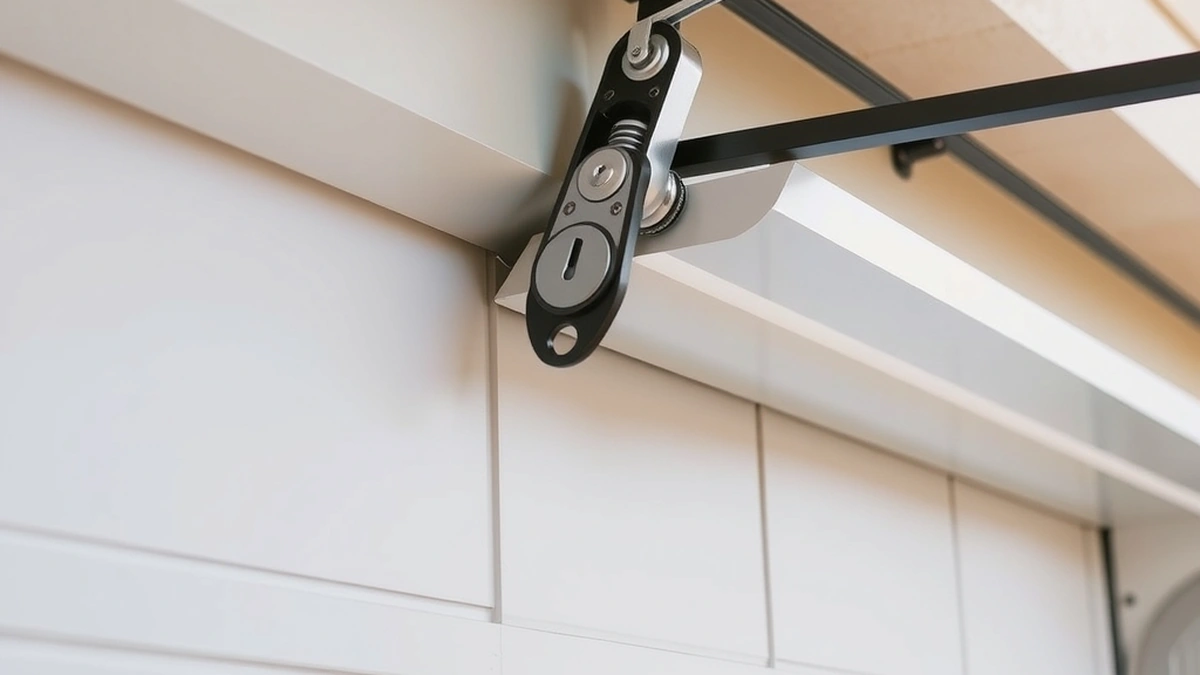
Look for gaps between rollers and tracks, rubbing noises, or a door that crooks or stalls mid-travel. Stop using it and call a pro.
- Risk level
- High - springs and cables are under tension
- Typical repair window
- Same-day or next-day service
- Emergency call-out
- $250-$500
- Track or cable repair
- $150-$350
Some links on this page are affiliate links.If you buy through them we may earn a commission at no extra cost to you. We do not accept payment for rankings. Read the full disclosure.
An off-track garage door means one or more rollers have left the vertical or horizontal track, so the door cannot travel straight. Common warning signs include visible gaps between rollers and tracks, scraping or rubbing noises, and a door that crooks, stalls, or reverses mid-travel. If you notice any of these signs, stop using the door and contact a qualified technician before springs or cables fail.
Why Off-Track Doors Are a Safety Issue
Garage doors are heavy. A single steel door can weigh 150 pounds or more, while a double door often exceeds 250 pounds. The torsion spring above the door counterbalances that weight, and the lifting cables carry the load as the door moves. When a door comes off track, that balance shifts. The spring and cables may bear uneven force, which increases the risk of a sudden failure.
Torsion springs and cables are under high tension. A spring failure can release stored energy instantly, and a snapped cable can whip with enough force to cause serious injury. Because of this, never attempt to realign a door, adjust a spring, or touch a cable yourself. Call a professional who has the tools and training to work under tension safely.
Early Warning Signs to Watch For
You do not need to wait for a door to hang crookedly to spot trouble. Several warning signs appear before a full derailment.
- Visible gap between roller and track: Look along the vertical track on each side. If a roller sits outside the metal track or you see daylight between the roller and the track edge, the door is off alignment.
- Rubbing or scraping noises: A healthy door runs quietly. Grinding, squealing, or metal-on-metal scraping often means a roller is dragging against the track bracket or frame.
- Door crooks or sags: Watch the door as it opens. If one side rises faster than the other, or the door appears tilted, one side may have come off track.
- Stalling or reversing mid-travel: If the door stops partway or the opener reverses without hitting an object, the track may be obstructed or bent.
- Loose or missing hardware: Track brackets, bolts, and roller stems can loosen over time. Missing hardware allows the track to shift under the door’s weight.
What Causes a Door to Go Off Track
Several factors can knock rollers out of the track. Impact is common: a vehicle backing into the door, a bicycle leaning against it, or a stored item falling onto the lower panel can bend the track enough to push a roller out. Loose track brackets also allow the track to shift away from the door, widening the gap until a roller escapes.
Worn rollers contribute as well. Nylon or steel rollers degrade over years of use. A cracked or flat-spotted roller can bind in the track and jump out. Lack of lubrication makes rollers stick, which increases side pressure on the track. Finally, broken cables or a failing torsion spring can let one side of the door drop, pulling the opposite roller out of alignment.
What Happens If You Ignore It
Continuing to operate an off-track door turns a small problem into an expensive one. A bent track section might cost a few hundred dollars to straighten or replace, but forced operation can bend door panels. Panel replacement runs $200-$600 per panel depending on size and style. If the door’s weight shifts onto a single cable, that cable can fray or snap. Cable repair typically costs $150-$350.
In worst-case scenarios, the torsion spring can break under uneven load. Torsion spring replacement costs $150-$400. If the door becomes inoperable and needs full replacement, a new door installed runs $800-$4,000. An emergency call-out alone can add $250-$500 to the final bill. Acting at the first warning sign usually keeps the repair limited to track adjustment, roller replacement, or cable service.
Do Not Attempt DIY Repairs
Some homeowners consider loosening track bolts and nudging the track back into place. This is dangerous. Track brackets sit near the spring and cable system. Moving hardware without releasing tension correctly can allow a spring to unwind suddenly or a cable to slip. Even if the door seems light because the spring is counterbalancing it, the components remain under load.
DIY work also voids many manufacturer warranties and can create liability if someone is injured later. For these reasons, Garage Door Lab recommends professional service for any track, spring, or cable issue. You can review general repair pricing in our guide to how much does garage door repair cost, and find local service options through our garage door repair installation directory.
What a Professional Repair Looks Like
A technician begins by disconnecting the opener and securing the door so it cannot move. They inspect the track, brackets, rollers, cables, and spring. If the track is bent, they straighten or replace the affected section. Loose brackets are tightened or remounted. Worn rollers are replaced, and all moving parts are lubricated.
If cables show fraying, they are replaced before the door is cycled again. The technician also checks spring tension and door balance. A balanced door should stay in place when lifted halfway and lowered manually. If the door drifts, the spring may need adjustment or replacement. After repairs, the technician runs the door through several open and close cycles to confirm smooth travel.
Prevention and Maintenance
Regular attention reduces the chance of an off-track failure. Keep tracks free of dirt, leaves, and debris. Wipe them down every few months, and check that track brackets remain tight. Listen for new noises during operation, and visually inspect rollers for cracks or wear.
Schedule professional maintenance once a year. A service visit can catch loose hardware, early roller wear, and slight track misalignment before the door leaves the track. You can read more about routine upkeep in our garage door repair maintenance overview. If your door is older and showing multiple issues, compare repair costs against replacement using our garage door repair vs garage door opener comparison.
When to Call for Emergency Service
Some situations require same-day attention. If the door is hanging at an angle, if a cable is visibly frayed or slack, or if the door has fallen and will not lift, treat it as an emergency. Do not attempt to prop the door open or pull it closed by hand. An emergency call-out typically costs $250-$500, but that expense prevents injury and limits secondary damage to panels, springs, and the opener.
If the door is still operable but shows warning signs, schedule a standard service visit within a few days. Avoid using the door in the meantime to reduce stress on the remaining hardware.
Bottom Line
An off-track garage door is a safety issue, not just an inconvenience. Watch for gaps between rollers and tracks, rubbing noises, crooked travel, and stalling. Stop using the door at the first sign of trouble, and call a trained technician to handle springs, cables, and track realignment. Early action usually means a smaller repair bill and a safer garage door.
Frequently asked questions
What does off track mean?
It means one or more rollers have come out of the vertical or horizontal track, so the door no longer travels straight.
Can I keep using the door if it is off track?
No. Continuing to open or close it can bend panels, snap cables, or overload the torsion spring.
Who should fix an off-track door?
A trained garage door technician, because springs and cables store dangerous energy that can cause serious injury.
How much does track-related repair cost?
Cable repair typically runs $150-$350, while emergency service can add $250-$500.
Will a new opener fix an off-track door?
No. An opener installation costs $300-$800 but will not correct misaligned tracks or damaged rollers.
How can I prevent off-track problems?
Keep tracks clean, check hardware tightness, and schedule annual maintenance before small issues worsen.
Sources
Some links are affiliate links.If you buy through them we may earn a commission at no extra cost to you. We do not accept payment for rankings. Read the full disclosure.