Off Track: How to Prevent It
Keep your garage door on track with routine checks, hardware care, and early warning signs.
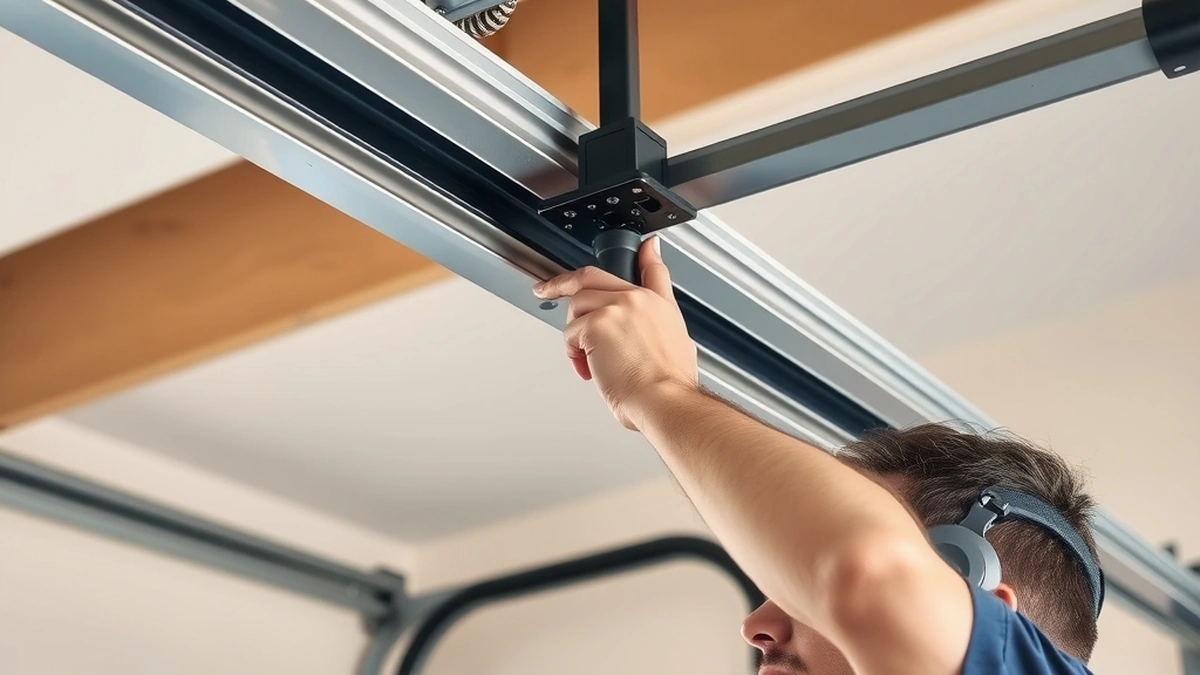
Inspect rollers and tracks monthly, tighten loose hardware, keep tracks clean and aligned, and never force a door that sticks.
- Risk level
- Moderate to high if ignored
- Typical repair cost
- $150–$400
- Prevention frequency
- Monthly visual check
- DIY safe?
- Minor cleaning only; springs and cables need pros
Some links on this page are affiliate links.If you buy through them we may earn a commission at no extra cost to you. We do not accept payment for rankings. Read the full disclosure.
A garage door goes off track when its rollers leave the vertical or horizontal guides, leaving the door crooked, stuck, or unable to move. You can prevent most off-track failures by inspecting rollers and tracks monthly, tightening loose hardware, and keeping the path clean and aligned. Never force a door that sticks, and leave spring and cable work to a qualified technician.
Why Doors Go Off Track
A sectional garage door rides on steel rollers that sit inside vertical and horizontal tracks. If a roller cracks, a track bracket loosens, or a vehicle bumps the lower track, the door can shift sideways and jump the rail. Once one roller leaves the track, the weight of the door—often 150 to 300 pounds for a single door and up to 400 pounds or more for a double door—can bend the track further or snap a cable.
Common causes include:
- Worn or broken rollers
- Loose track brackets or fasteners
- Bent or misaligned tracks
- Impact from a car, bike, or stored item
- Frayed or broken lifting cables
- Lack of lubrication causing rollers to bind
Monthly Visual Inspection
Set a reminder to check your door once a month. Stand inside the garage with the door closed and look at both sides.
- Examine each roller for cracks, chips, or flat spots.
- Check that rollers sit inside the track, not beside it.
- Look for gaps between the track and the wall framing.
- Watch the door open and close. It should move smoothly without rubbing or jerking.
- Listen for squealing, grinding, or popping sounds.
If you see a roller that has walked out of the track, stop using the door. Continuing to operate it can bend the track and turn a simple roller replacement into a track replacement or panel repair.
Clean and Lubricate the Hardware
Dirt, dust, and old grease build up inside tracks and make rollers stick. A stuck roller is more likely to jump the rail when the door moves.
Wipe the inside of the tracks with a damp rag. Do not spray lubricant inside the track itself; it attracts grime. Instead, apply a silicone-based garage door lubricant to the rollers, hinges, and springs. Open and close the door a few times to spread it.
If you have nylon rollers, check the manufacturer’s guidance before lubricating. Some sealed nylon rollers do not need additional lubrication.
Tighten Brackets and Fasteners
Vibration from daily use loosens the bolts that hold track brackets to the wall and ceiling. A loose bracket lets the track shift, which changes the angle the rollers travel and can push them out of the track.
With the door closed and the opener unplugged, inspect the brackets that secure the vertical tracks to the jamb and the horizontal tracks to the ceiling. Use a socket wrench to snug any loose bolts, but do not overtighten them. Over-tightening can strip the wood or deform the track.
If you notice the track is pulling away from the wall or the lag screws are spinning in the wood, call a professional. Structural mounting issues can lead to a sudden track failure under the full weight of the door.
Watch the Cables and Springs
Lifting cables run along the sides of the door and help control its weight. If a cable frays or slips off its drum, one side of the door can lag behind the other, forcing the rollers out of alignment.
Look for:
- Frayed or rusted cable strands
- Cables that look slack on one side
- Gaps in the torsion spring above the door
- A door that feels heavy when lifted manually
Torsion springs and cables are under extreme tension. A spring replacement typically costs $150–$400, and cable repair often runs $150–$350, but an injury from a snapped spring can cost far more. Do not attempt to adjust or replace springs or cables yourself.
Know the Cost of Ignoring It
Prevention is cheaper than repair. Here is how typical costs compare if an off-track issue is left alone:
| Issue | Estimated Cost |
|---|---|
| Roller replacement | $100–$200 |
| Track realignment | $125–$250 |
| Cable repair | $150–$350 |
| Torsion spring replacement | $150–$400 |
| Panel replacement | $200–$600 |
| New door installed | $800–$4,000 |
For example, if a $15 roller is ignored and the door bends a track panel, you could face a panel replacement at $200–$600 plus labor. If the door falls because a cable snaps, you might need a new door installed at $800–$4,000. An emergency call-out typically adds $250–$500 on top of repair costs.
When to Call a Professional
You can handle track cleaning, bolt tightening, and lubrication. Call a licensed garage door technician if:
- The door is already off track or hanging unevenly
- You see a broken spring or frayed cable
- The track is bent or dented
- The door reverses immediately after touching the floor
- The opener struggles or makes loud grinding noises
A professional can check track alignment with a level, test the door balance, and inspect parts that are unsafe for homeowners to reach. If you are researching service options, review our guide to how much garage door repair costs and our overview of garage door repair and installation.
Build a Prevention Routine
Preventing an off-track door comes down to consistency. Use this simple schedule:
- Monthly: Wipe tracks, inspect rollers, and listen for unusual noises.
- Every six months: Lubricate rollers, hinges, and springs; tighten visible brackets.
- Annually: Have a professional inspect springs, cables, and door balance.
If you prefer to handle basic upkeep yourself, our garage door repair maintenance article covers safe DIY tasks. For help deciding whether to repair or replace an older door, see garage door repair vs. garage door opener.
A door that stays on its track is quieter, safer, and less expensive to own. Spend a few minutes each month checking rollers and hardware, and you will avoid the stress and cost of a door that has jumped the rail.
Frequently asked questions
What causes a garage door to go off track?
Common causes include broken rollers, loose track brackets, bent tracks, impact from a vehicle, and worn cables that let the door shift sideways.
Can I fix an off-track door myself?
You can clean tracks and tighten visible bolts, but realigning tracks or handling springs and cables is dangerous and should be left to a professional.
How often should I inspect my tracks?
A quick visual check once a month, plus a full lubrication and hardware inspection every six months, helps catch problems early.
Does an off-track door always need new tracks?
No. Many issues come from loose brackets, dirty rollers, or minor bends that a technician can repair without replacing the entire track system.
How much does off-track repair cost?
Costs vary by damage, but cable repair often runs $150–$350 and torsion spring replacement $150–$400; panel replacement can reach $200–$600.
When should I call for emergency service?
Call immediately if the door is hanging at an angle, stuck halfway, or making loud snapping sounds, especially if springs or cables are involved.
Sources
Some links are affiliate links.If you buy through them we may earn a commission at no extra cost to you. We do not accept payment for rankings. Read the full disclosure.