Sectional Door Maintenance: Safety and Cost Guide
Learn how to maintain a sectional garage door, what tasks are safe for DIY, and when to call a pro for springs and cables.
Inspect and lubricate your sectional door every six months; leave torsion springs and cables to professionals because they are under high tension.
- Recommended service interval
- Every 6 months
- DIY-safe tasks
- Cleaning tracks, lubricating rollers, visual inspection
- Call a pro for
- Torsion springs, extension springs, cables, opener installation
- Typical torsion spring replacement
- $150–$400
- Typical cable repair
- $150–$350
Some links on this page are affiliate links.If you buy through them we may earn a commission at no extra cost to you. We do not accept payment for rankings. Read the full disclosure.
Sectional Door Maintenance: Safety and Cost Guide
Sectional door maintenance means inspecting, cleaning, lubricating, and testing the moving parts of a panel-style garage door on a set schedule. The goal is to catch wear before the door binds, sticks, or drops unexpectedly. Because torsion springs and cables store dangerous energy, homeowners should handle only basic upkeep and leave spring and cable work to qualified technicians.
Why Sectional Door Maintenance Matters
A sectional door moves along vertical and horizontal tracks, guided by rollers and balanced by springs. Over time, rollers flatten, tracks collect debris, and hinges loosen. A door that is out of balance forces the opener to work harder, which shortens motor life and can lead to emergency service. Routine maintenance helps the door open and close smoothly and reduces the chance of a sudden failure.
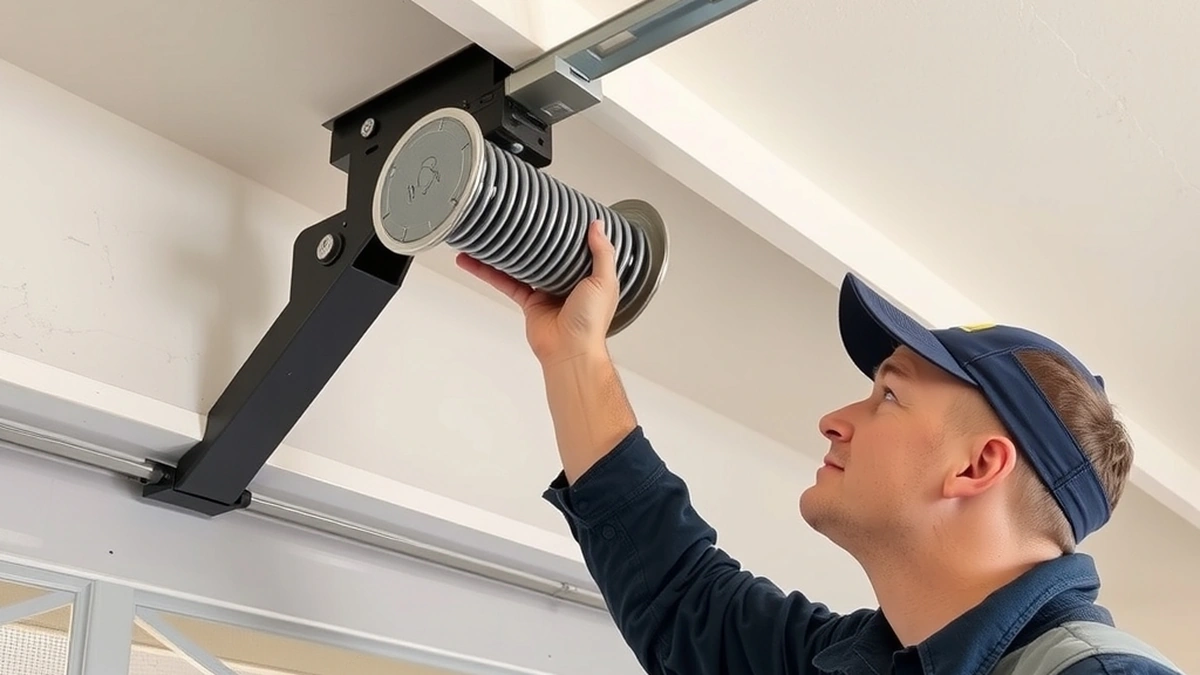
Safety comes first. Torsion springs are mounted above the door and wound tightly to counterbalance the door’s weight. If a spring breaks or a winding bar slips, the spring can release with enough force to cause serious injury or death. Cables run under high tension as well. If you see frayed cables, a gap in a spring, or a door that feels heavy when lifted by hand, stop using the door and call a professional.
What You Can Do Yourself
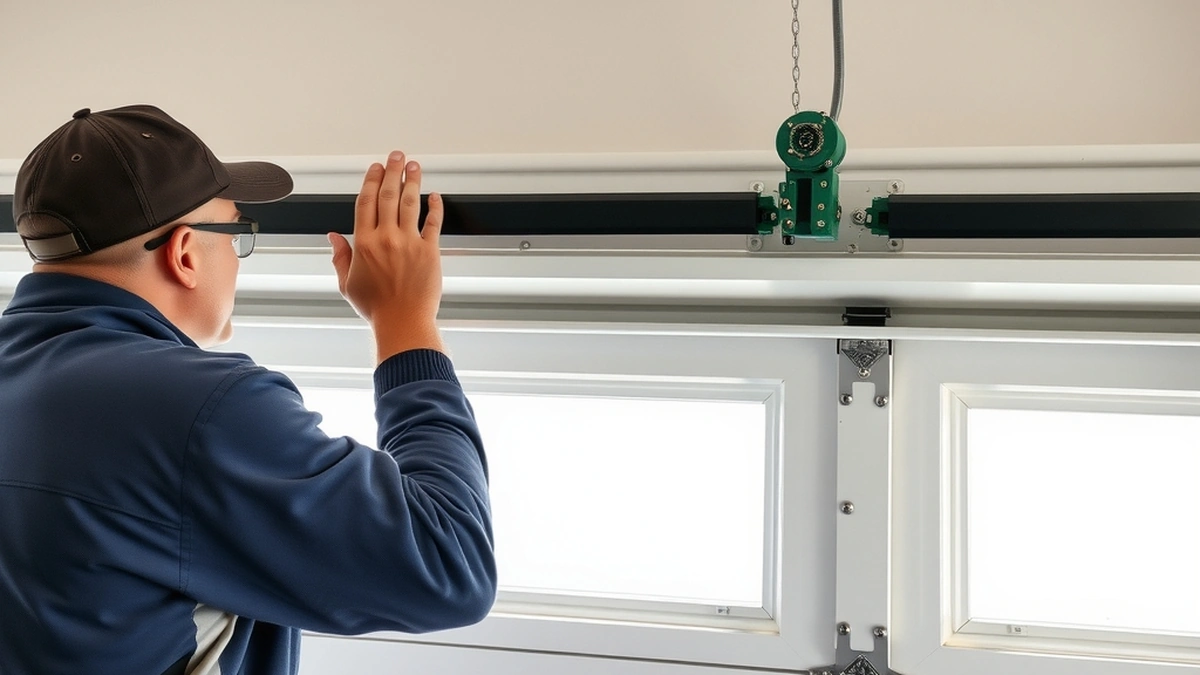
Homeowners can safely perform visual and cleaning tasks without touching springs or cables. Every six months, complete the following steps:
- Close the door and disconnect the opener by pulling the release handle.
- Inspect the tracks for dirt, dents, or obstructions. Wipe them clean with a damp cloth.
- Check the rollers for cracks, flat spots, or excessive wobble in the track.
- Look at the hinges for loose bolts or worn pivot holes.
- Apply a silicone-based or lithium-based garage door lubricant to rollers, hinges, and springs. Do not lubricate the track itself, as lubricant can attract grime.
- Wipe the weather stripping at the bottom of the door and check for tears.
These tasks take roughly 30 to 45 minutes and require only basic hand tools and a ladder. If you are not comfortable on a ladder or do not know how to disconnect your opener safely, schedule a maintenance visit instead. More guidance on routine care is available in our garage door maintenance overview.
How to Test Door Balance
A balanced door should stay in place when lifted halfway and moved manually. To test it:
- Close the door and disconnect the opener.
- Lift the door to about waist height and let go.
- Observe whether the door remains stationary, drifts down, or rises on its own.
If the door drifts or moves, the spring tension is off. Do not attempt to adjust torsion springs yourself. A service call to correct balance typically costs less than an emergency repair after a spring failure.
While testing balance, also check the auto-reverse feature. Place a 2-inch by 4-inch board flat on the floor in the door’s path and close the door. The door should reverse when it contacts the wood. Test the photo-eye sensors by waving an object in front of the beam as the door closes. If either feature fails, stop using the door and call a technician.
Understanding Door Weight and Spring Load
Sectional doors are heavy. A single-car door might weigh 130 pounds, while a double-car door can weigh 250 pounds or more. Torsion springs are sized to offset that weight so the door can be lifted by hand and operated by a standard opener.
For example, if a double-car door weighs 250 pounds, each torsion spring in a two-spring system is roughly responsible for counterbalancing half that load, or about 125 pounds per spring. That is why a broken spring makes the door feel nearly impossible to lift and why the opener may strain or stall.
If you are comparing repair options, keep these typical price ranges in mind. Torsion spring replacement usually runs between $150 and $400. Cable repair typically costs between $150 and $350. These are estimates and vary by door size, spring cycle rating, and local labor rates. You can find broader pricing context in our garage door repair cost guide.
When to Call a Professional
Some tasks should never be DIY. Replace or adjust torsion springs and extension springs only with proper tools and training. Replace frayed or snapped cables immediately. If the door has come off the tracks, do not force it open or closed. Bent panels, cracked sections, or a door that sags in the middle also warrant a professional inspection.
Panel replacement typically runs between $200 and $600 per panel. If multiple panels are damaged or the door is old and inefficient, a new door installed may cost between $800 and $4,000 depending on size, material, and insulation. Opener installation generally falls between $300 and $800. Emergency call-out service often costs between $250 and $500, which is another reason to schedule maintenance before a breakdown happens.
If you are deciding whether to repair or replace an older door, our repair versus replacement comparison can help you weigh the options.
Maintenance Schedule and Record Keeping
Mark your calendar for a six-month inspection. In climates with harsh winters or coastal salt air, consider checking the door quarterly. Write down the date, what you lubricated, and any unusual noises or resistance you noticed. A simple log helps a technician diagnose problems faster and can be useful if you ever need warranty service.
Track lubrication is a common point of confusion. Do not apply grease or oil inside the vertical or horizontal tracks. Clean tracks allow rollers to roll; lubricated tracks can become sticky and collect debris that interferes with movement. Lubricate the rollers themselves and the hinge pivot points instead.
Costs to Expect
Maintenance performed by a homeowner costs little more than the price of lubricant and rags. Professional maintenance visits vary by region but are generally less expensive than emergency repairs. Use these figures as estimates when budgeting:
| Service | Typical USD Range |
|---|---|
| Torsion spring replacement | $150–$400 |
| Cable repair | $150–$350 |
| Panel replacement | $200–$600 |
| Opener installation | $300–$800 |
| New door installed | $800–$4,000 |
| Emergency call-out | $250–$500 |
If a repair quote approaches the cost of a new door, especially on a door older than 15 to 20 years, replacement may be the more practical choice. Our repair cost per square foot article breaks down pricing factors in more detail.
Final Safety Reminder
Sectional door maintenance keeps your garage door reliable, but it does not make spring work safe for amateurs. Springs and cables are under high tension and can cause severe injury. Limit yourself to cleaning, lubrication, visual checks, and balance tests. For anything involving springs, cables, track realignment, or panel replacement, hire a qualified door technician. If you need help finding a reputable provider, start with our best garage door repair directory.
Frequently asked questions
How often should I do sectional door maintenance?
Inspect and lubricate the door every six months, and test the balance and auto-reverse features at the same interval.
Can I replace torsion springs myself?
No. Torsion springs are under extreme tension and can cause serious injury or death if they unwind unexpectedly.
What lubricant should I use on a sectional door?
Use a silicone-based or lithium-based garage door lubricant; avoid heavy grease that attracts dirt and gummed-up residue.
How do I test door balance?
Disconnect the opener and lift the door halfway; if it stays put, the springs are balanced, and if it falls or rises, call a technician.
How much does cable repair cost?
Cable repair typically runs between $150 and $350, depending on door size and local labor rates.
When should I replace the whole door instead of repairing it?
Consider replacement when panel damage, rust, or repeated spring failures make repairs cost more than a portion of a new installed door.
Sources
Some links are affiliate links.If you buy through them we may earn a commission at no extra cost to you. We do not accept payment for rankings. Read the full disclosure.