Extension Spring Reviews: Types, Costs, and Safety
Compare garage door extension springs, review pricing, and understand safety risks before buying or replacing springs.
Extension spring reviews cover open-looped, double-looped, and clipped-end springs for residential garage doors, typically priced per pair with safety cables required.
- Spring type
- Open-looped, double-looped, clipped-end
- Common use
- Residential sectional garage doors
- Safety requirement
- Containment cables on both sides
- Typical service life
- 7,000–15,000 cycles (estimate)
Some links on this page are affiliate links.If you buy through them we may earn a commission at no extra cost to you. We do not accept payment for rankings. Read the full disclosure.
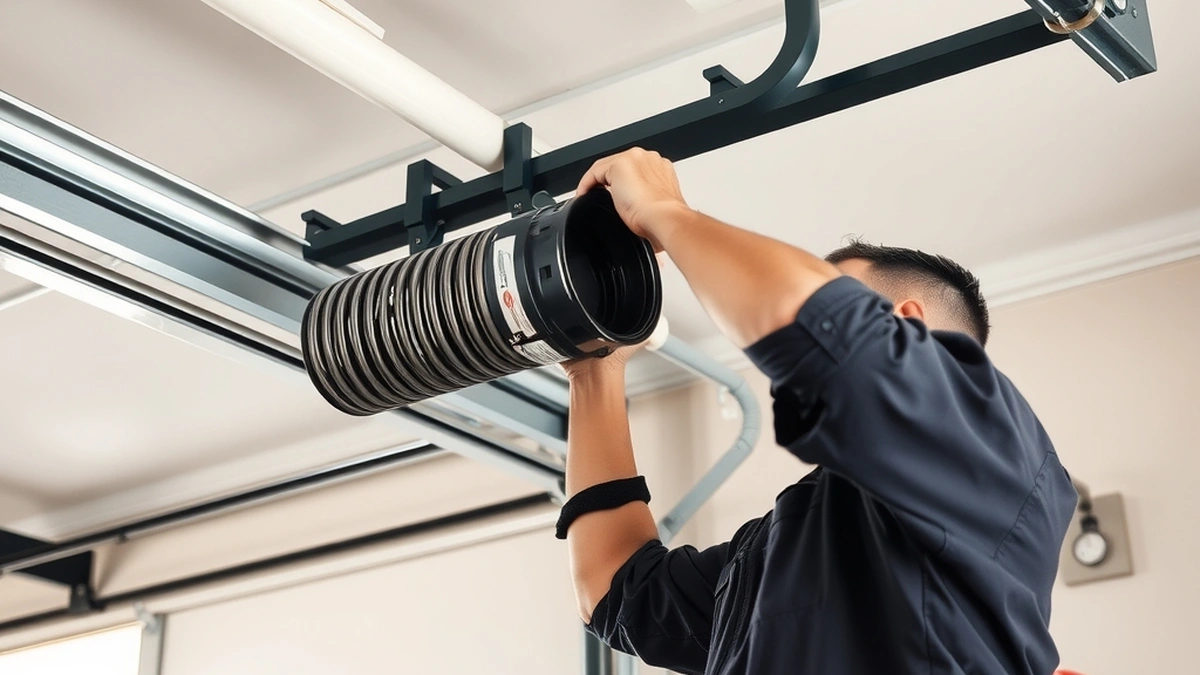
Extension spring reviews focus on the coiled springs mounted along the horizontal tracks of many residential garage doors. These springs stretch as the door closes and contract as it opens, offsetting the door’s weight. If you are shopping for replacement springs or evaluating whether your current setup meets safety standards, this guide covers the types, costs, and risks you need to know.
Types of Extension Springs
Garage door extension springs generally fall into three categories based on their end construction. Each type attaches to the door’s track hardware and pulley system differently.
Open-looped springs have the ends of the wire opened to slip over a pin or bracket. They are common on lighter residential doors but can be harder to replace because the open end must align with the anchor point.
Double-looped springs feature two coils at the end, creating a stronger connection point. They are often used on doors that need slightly more durability than standard open-looped versions can provide.
Clipped-end springs use a steel clip at the end of the spring to attach to the track bracket. This design distributes stress more evenly and is frequently found on heavier residential doors. Clipped-end springs usually last longer than open-looped designs because the connection puts less wear on the wire itself.
When comparing extension spring reviews, match the spring type to your door’s weight and track system. Installing the wrong rating can leave the door unbalanced, which strains the opener and creates a safety hazard.
How Extension Springs Work With Safety Cables
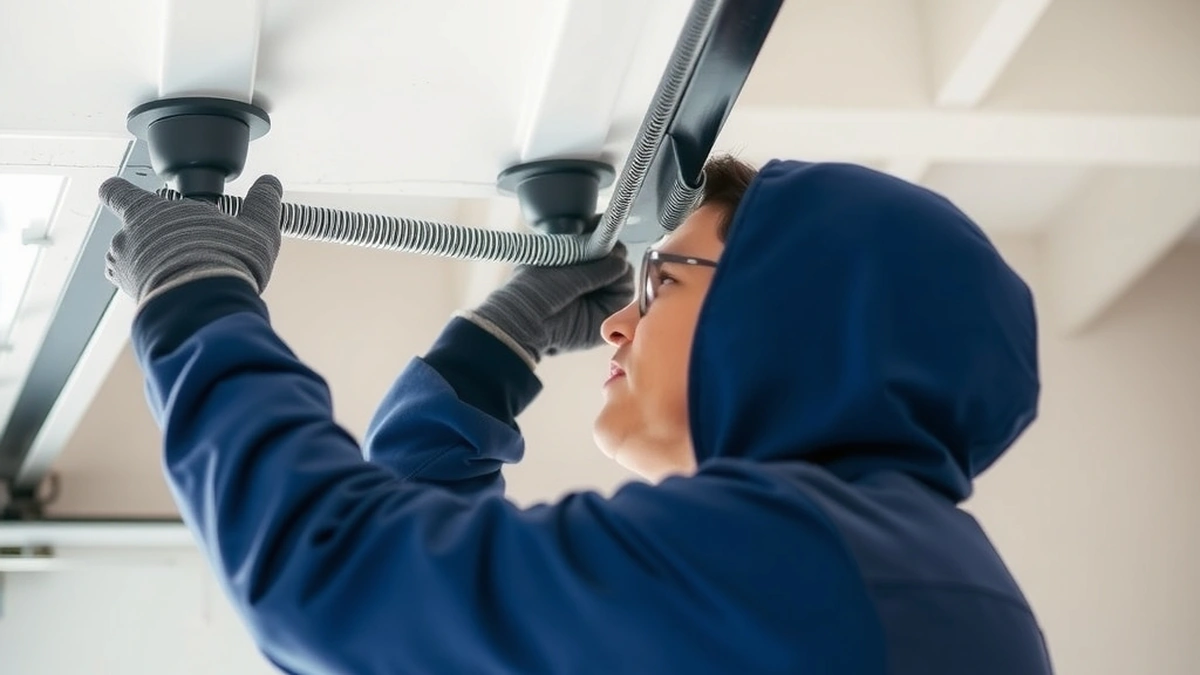
Extension springs operate under extreme tension. If a spring breaks while the door is under load, the coiled metal can whip across the garage with enough force to cause serious injury or property damage. For this reason, safety cables are mandatory on extension spring systems.
A safety cable is a steel cable that runs through the center of the spring and anchors at both ends. If the spring snaps, the cable contains the broken pieces. Without these cables, a broken extension spring becomes an uncontrolled projectile.
Check your system regularly for frayed or kinked safety cables. If a cable shows wear, replace it before operating the door. Cable repair typically costs between $150 and $350, depending on local labor rates and the number of cables involved.
Cost Estimates for Extension Spring Work
Pricing for extension spring service varies by region, door size, and whether you replace one pair or both pairs. The figures below are estimates, not guaranteed quotes.
| Service | Estimated Cost (USD) |
|---|---|
| Extension spring replacement (parts and labor) | Varies by door weight and spring type |
| Torsion spring replacement | $150–$400 |
| Cable repair | $150–$350 |
| Opener installation | $300–$800 |
| Panel replacement | $200–$600 |
| New door installed | $800–$4,000 |
| Emergency call-out | $250–$500 |
To understand how costs add up, consider a hypothetical example. If a service call costs $250 and a pair of extension springs costs $60 in parts, with one hour of labor at $90, the subtotal is $400 before tax and disposal fees. A second pair for a double-car door would roughly double the spring and labor portions.
Always ask whether the quote includes safety cables. Some contractors include them by default; others list them as an add-on. Skipping safety cables to save money is not recommended.
Signs Your Extension Springs Need Replacement
You do not need to wait for a total failure to act. Several warning signs indicate that extension springs are wearing out.
The door feels heavy when you disconnect the opener and lift it by hand. A properly balanced door should stay put when raised halfway and require minimal effort to move.
The door opens unevenly, with one side rising faster than the other. This often means one spring is weaker than the other or has already lost tension.
You see gaps in the coils. Extension springs should be tightly wound when the door is open. Visible separation between coils suggests the spring is overextended or fatigued.
The door slams shut or closes faster than usual. This indicates the springs are no longer providing adequate counterbalance.
You hear squeaking or grinding during operation. Lubrication may help temporarily, but persistent noise can mean the springs or pulleys are worn.
If you notice any of these issues, stop using the door and contact a professional. Continuing to operate a door with failing springs can snap a cable, bend a track, or damage the opener.
DIY Versus Professional Replacement
Replacing extension springs is not a casual weekend project. The springs store enough energy to cause serious injury if they release unexpectedly. Winding bars, proper anchor points, and correct spring rating are all critical.
Professional technicians have the tools to release tension safely and verify that the door balances correctly after installation. They also check the safety cables, pulleys, and track hardware during the same visit.
DIY guides sometimes suggest replacing springs with common hand tools, but this ignores the stored energy in the assembly. If a spring slips while you are adjusting it, the result can be a broken bone, laceration, or worse. Garage Door Lab recommends hiring a qualified technician for spring work.
If you are researching broader repair pricing, see our overview of garage door repair costs. For help deciding whether to repair or replace components, read our guide on garage door repair versus garage door opener issues.
Matching Springs to Door Weight
Extension springs are rated by the weight they can lift. A common residential door might weigh 150 pounds, requiring a pair of springs rated for that load. A heavier insulated door could weigh 250 pounds or more.
To estimate the required spring rating, divide the door weight by two, since each side carries roughly half the load. For example, a 200-pound door needs springs rated for approximately 100 pounds per side, assuming standard hardware and track configuration.
Using springs rated too low means the opener does all the work, which burns out the motor prematurely. Using springs rated too high makes the door hard to close and can cause it to drift upward when open.
Door weight is not always printed on the door. A technician can measure the door and calculate the correct spring rate. Do not guess based on the old springs alone, especially if the door has been modified with insulation, windows, or additional panels.
Maintenance and Inspection Routine
Regular maintenance extends spring life and reduces the chance of sudden failure. Inspect the springs and safety cables every few months.
Look for rust, gaps between coils, or stretched wire. Apply a silicone-based lubricant to the springs and hinges to reduce friction. Avoid heavy grease, which attracts dust and grit.
Test the door balance monthly. Disconnect the opener and lift the door halfway. It should remain in place without drifting up or down. If it moves, the springs need adjustment.
Check the safety cables for frays, kinks, or corrosion. Replace damaged cables immediately. Cable repair costs typically range from $150 to $350, which is far less than the cost of an injury or door damage.
Keep the tracks clean and aligned. Bent tracks or debris force the springs to work harder, shortening their lifespan.
Where to Buy and What to Look For
Extension springs are sold through garage door suppliers, hardware stores, and online retailers. When reading extension spring reviews, focus on specifications rather than marketing claims.
Look for the wire diameter, overall length, and maximum load rating. Confirm that the end type matches your existing brackets. Order safety cables if they are not included.
Avoid universal springs that claim to fit every door. Garage doors vary widely in weight and track geometry, and a mismatched spring can create a dangerous imbalance.
If you are planning a full door replacement, new door installation typically ranges from $800 to $4,000 depending on material, size, and insulation. Replacing springs on an existing door is usually less expensive, but an aging door with multiple failing components may be a better candidate for full replacement.
Final Safety Reminder
Springs and cables are under high tension. Never attempt to adjust, remove, or replace extension springs without proper training and equipment. If a spring breaks, do not operate the door until a professional inspects the system.
For routine care, review our garage door maintenance checklist. If you need help finding a qualified service provider, our guide to the best garage door repair services can help you compare options. For DIY safety limits, read our article on DIY garage door repair before attempting any work yourself.
Extension springs are a practical and common choice for residential garage doors, but they demand respect. Choose the correct type, install safety cables, inspect regularly, and leave replacement to professionals.
Next, compare how much does garage door repair cost, garage door repair installation, garage door repair repair before you commit.
Frequently asked questions
What are extension springs?
Extension springs are coiled metal springs mounted on either side of a garage door that stretch and contract to help lift and lower the door.
Are extension springs safer than torsion springs?
Neither type is inherently safe; both store high tension, but extension springs require safety cables to contain them if they snap.
How much do extension springs cost?
Parts and labor for extension spring replacement are generally lower than torsion spring replacement, which typically runs $150–$400.
Can I replace extension springs myself?
DIY replacement is dangerous because springs and cables are under extreme tension; professional service is strongly recommended.
How long do extension springs last?
Lifespan depends on usage and maintenance, commonly estimated between 7,000 and 15,000 open-close cycles.
Do extension springs need safety cables?
Yes, safety cables should run through each spring to prevent the spring from becoming a projectile if it breaks.
Sources
Some links are affiliate links.If you buy through them we may earn a commission at no extra cost to you. We do not accept payment for rankings. Read the full disclosure.