Sectional Door Reviews: What to Know Before Buying
Honest sectional door reviews covering materials, insulation, costs, and safety for residential garage doors.
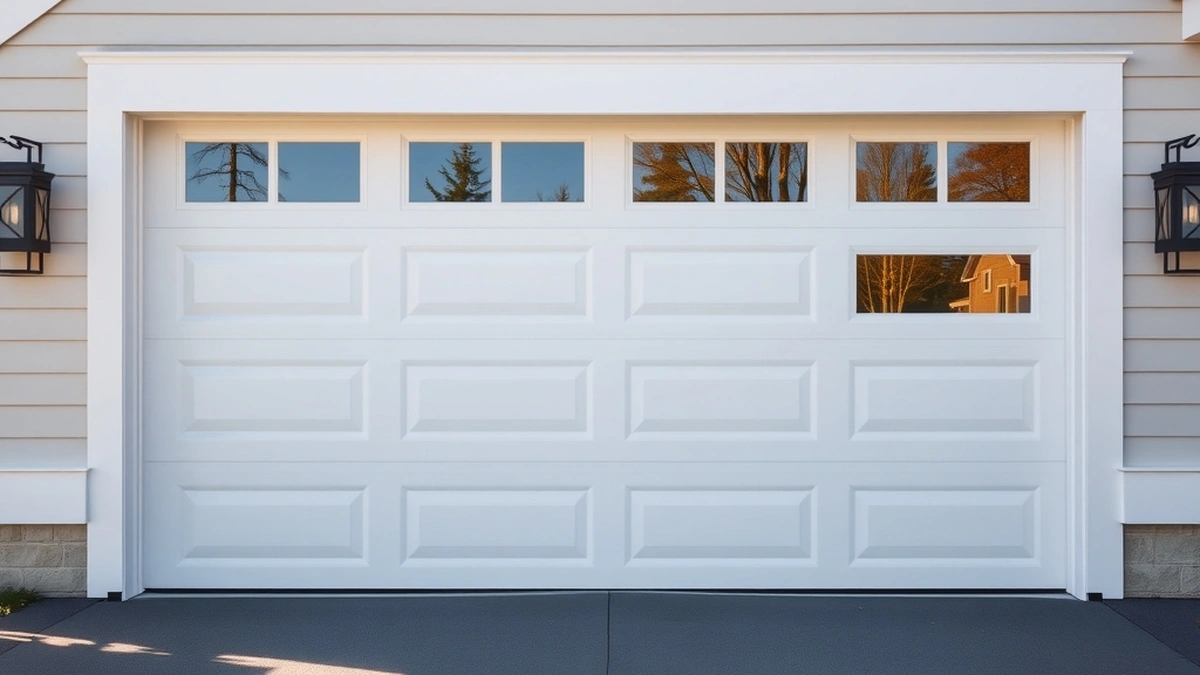
Sectional doors are the most common residential garage door type. Expect to pay $800–$4,000 installed, with steel and insulated models offering the best balance of cost and durability.
- Common materials
- Steel, aluminum, wood composite
- Typical width
- 8–20 feet
- Installed cost
- $800–$4,000
- R-value range
- R-6 to R-18 (insulated models)
Some links on this page are affiliate links.If you buy through them we may earn a commission at no extra cost to you. We do not accept payment for rankings. Read the full disclosure.
Sectional doors are the most common type of residential garage door in the United States. They use horizontal panels connected by hinges that roll up along curved tracks and rest parallel to the ceiling. If you are shopping for a replacement, this guide covers materials, insulation, costs, and safety considerations without hype.
How Sectional Doors Work
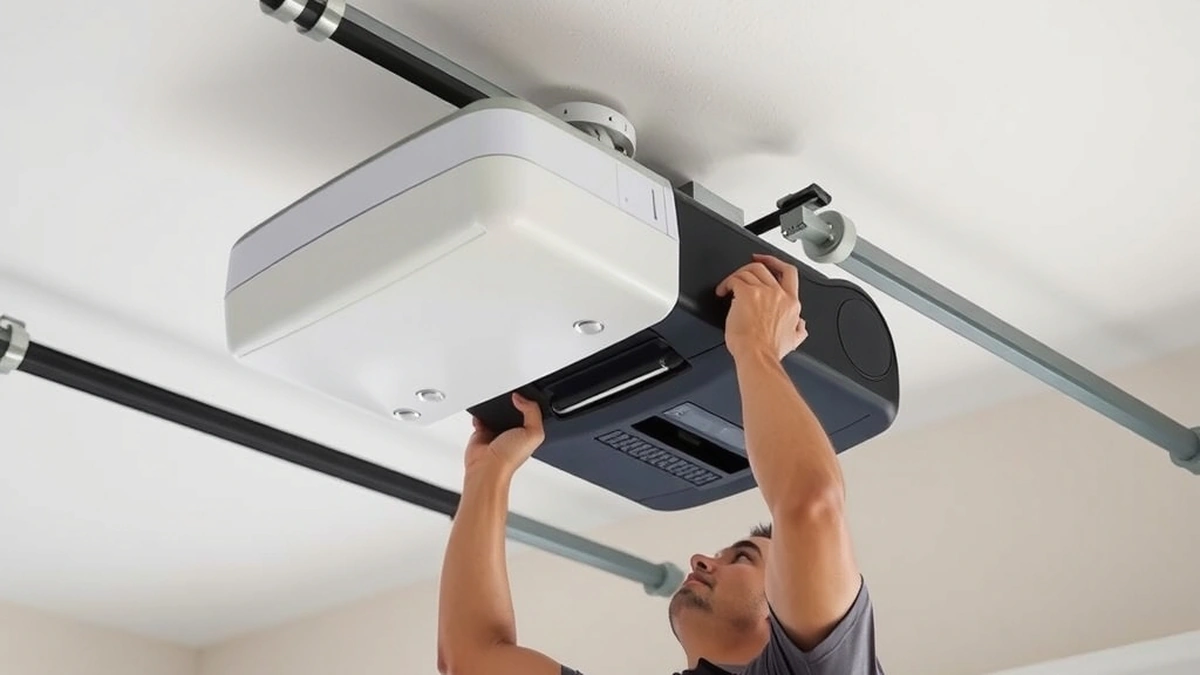
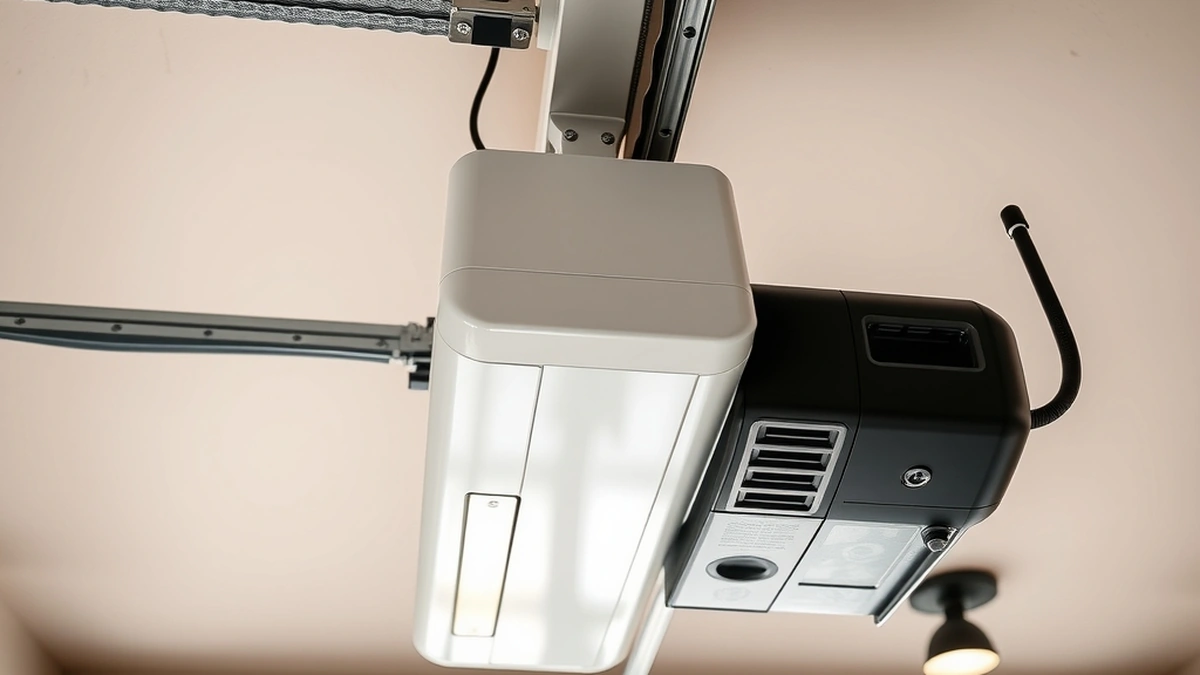
A sectional door consists of panel sections, hinges, rollers, tracks, springs, cables, and an opener. When you press the wall button or remote, the opener motor turns a drive system that lifts the door. Torsion springs mounted above the door or extension springs along the sides counterbalance the weight, which can easily exceed 150 pounds for a single-car door and 300 pounds or more for a double-car door.
Because springs and cables store significant mechanical energy, they are dangerous to adjust or replace without proper training and tools. A broken spring can release with enough force to cause severe injury. If your door feels heavy, moves unevenly, or makes loud banging noises, contact a professional rather than attempting DIY spring work.
Materials and Construction
Steel is the most common material for sectional doors. It is durable, relatively affordable, and accepts paint well. Single-layer steel doors are the least expensive but offer little insulation. Double-layer steel adds a backing of polystyrene or polyurethane for better thermal performance. Triple-layer steel sandwiches insulation between two steel skins and provides the highest R-values and dent resistance.
Aluminum is lighter and resists rust, making it a reasonable choice for coastal areas, but it dents more easily than steel and usually costs more. Wood composite or wood-over-steel doors provide a traditional look but require more maintenance and typically cost more than steel.
Door width typically ranges from 8 to 10 feet for a single car and 16 to 20 feet for a double car. Standard residential height is 7 or 8 feet. Measure your opening carefully before ordering, because custom sizes increase cost and lead time.
Insulation and Energy Efficiency
Insulated sectional doors help reduce heat transfer between the garage and the outdoors. The U.S. Department of Energy notes that garage insulation can affect adjacent living spaces, especially if the garage is beneath a bedroom or attached to the home. Insulation performance is measured in R-value.
Common insulated sectional door R-values fall roughly between R-6 and R-18. A basic polystyrene-backed door might rate around R-6 to R-9, while a thick polyurethane-filled door can reach R-18 or higher. Higher R-values generally cost more. If your garage is unheated and detached, a non-insulated door may be sufficient. If the garage is attached or conditioned, an insulated door is worth the added cost.
Cost Estimates
Prices below are estimates and vary by region, door size, material, and labor rates.
| Item | Estimated Cost (USD) |
|---|---|
| New sectional door installed (single) | $800–$2,000 |
| New sectional door installed (double) | $1,500–$4,000 |
| Panel replacement | $200–$600 |
| Torsion spring replacement | $150–$400 |
| Cable repair | $150–$350 |
| Opener installation | $300–$800 |
| Emergency call-out | $250–$500 |
Here is an example cost calculation. Suppose a homeowner wants a 16-by-7-foot insulated steel sectional door installed. If the door costs $1,200 and labor runs $600, the total is $1,800. If they also need two torsion springs replaced at $275 each, add $550, bringing the total to $2,350 before tax.
If a panel is damaged by a vehicle, replacement often costs $200–$600 per panel. Matching the finish on a door that is several years old can be difficult, so some homeowners choose to replace the entire door instead.
For more on pricing factors, see our overview of garage door repair cost per square foot and our breakdown of how much garage door repair costs.
Safety First: Springs and Cables
Sectional doors rely on springs under high tension. Torsion springs sit on a metal shaft above the door, while extension springs stretch along the upper tracks. Cables run from the bottom brackets to the springs or a pulley system. If a spring snaps or a cable slips, the door can fall suddenly.
Never attempt to remove or adjust torsion springs yourself. The same applies to bottom bracket cables, which remain under tension even when the door is closed. If the door is off-track, noisy, or will not stay open halfway, schedule a service visit. The Occupational Safety and Health Administration provides workplace safety guidance that applies to garage door service professionals, and homeowners should apply the same caution.
You can read more about the distinction between door and opener service in our article on garage door repair vs. garage door opener. For routine upkeep such as lubricating rollers and checking hardware, see our garage door repair maintenance guide.
Features to Compare
When reading sectional door reviews or comparing models, focus on these practical factors:
- Material gauge: Lower gauge numbers mean thicker steel. A 24-gauge door is thinner than a 22-gauge door.
- Insulation type: Polystyrene is common and affordable; polyurethane provides higher R-values per inch.
- Wind load rating: If you live in a hurricane or high-wind region, check that the door meets local building codes. The International Code Council publishes model building codes that many jurisdictions adopt.
- Warranty: Look for separate coverage on panels, hardware, springs, and finish. Longer warranties often indicate manufacturer confidence, but read the exclusions.
- Window options: Windows add light but reduce insulation and privacy. Frosted or insulated glass is available on many models.
Avoid reviews that promise a single “best” door for every home. The right choice depends on your climate, garage use, budget, and whether the space is heated or cooled.
Installation and Replacement
Professional installation is recommended for sectional doors. A crew typically removes the old door, installs new tracks and hardware, hangs the panels, balances the springs, and tests the opener. Installation usually takes a few hours for a standard size.
If you are replacing only the door and keeping the existing opener, confirm compatibility. Older openers may lack safety sensors or rolling-code technology. A new opener installation typically costs $300–$800.
For help finding qualified service providers, see our guide to best garage door repair. If you are considering minor work yourself, such as tightening bolts or lubricating tracks, our DIY garage door repair article explains what is safe for homeowners and what requires a professional.
Bottom Line
Sectional doors dominate the residential market because they are reliable, available in many styles, and fit standard garage openings. Expect to pay $800–$4,000 for a new door installed, with steel and insulated models offering the best balance of cost and performance for most homeowners. Prioritize safety around springs and cables, get multiple quotes, and choose an R-value appropriate for your climate and garage use.
Frequently asked questions
What is a sectional garage door?
A sectional door uses horizontal panels connected by hinges that travel up curved tracks and store parallel to the ceiling.
Are sectional doors safe for DIY repair?
No. Torsion springs and cables operate under high tension and can cause serious injury or death if mishandled.
How much does a new sectional door cost installed?
A new sectional door installed typically ranges from $800 to $4,000 depending on size, material, insulation, and labor.
What insulation rating should I look for?
Look for R-values between R-6 and R-18 for insulated sectional doors; higher numbers mean better thermal resistance.
How long do sectional doors last?
With regular maintenance, steel sectional doors often last 15 to 30 years, while springs usually need replacement every 7 to 12 years.
Can I replace just one panel?
Yes, panel replacement is possible and typically costs $200–$600, though matching older paint and weathering can be difficult.
Sources
Some links are affiliate links.If you buy through them we may earn a commission at no extra cost to you. We do not accept payment for rankings. Read the full disclosure.